The Native Trees of Los Haitises National Park: Forest Species, Ecological Roles and Conservation
The forests of Los Haitises National Park are an important part of the Dominican Republic's natural heritage. Their trees create habitat, protect soil, contribute organic material and support the ecological processes that keep tropical forests functioning.
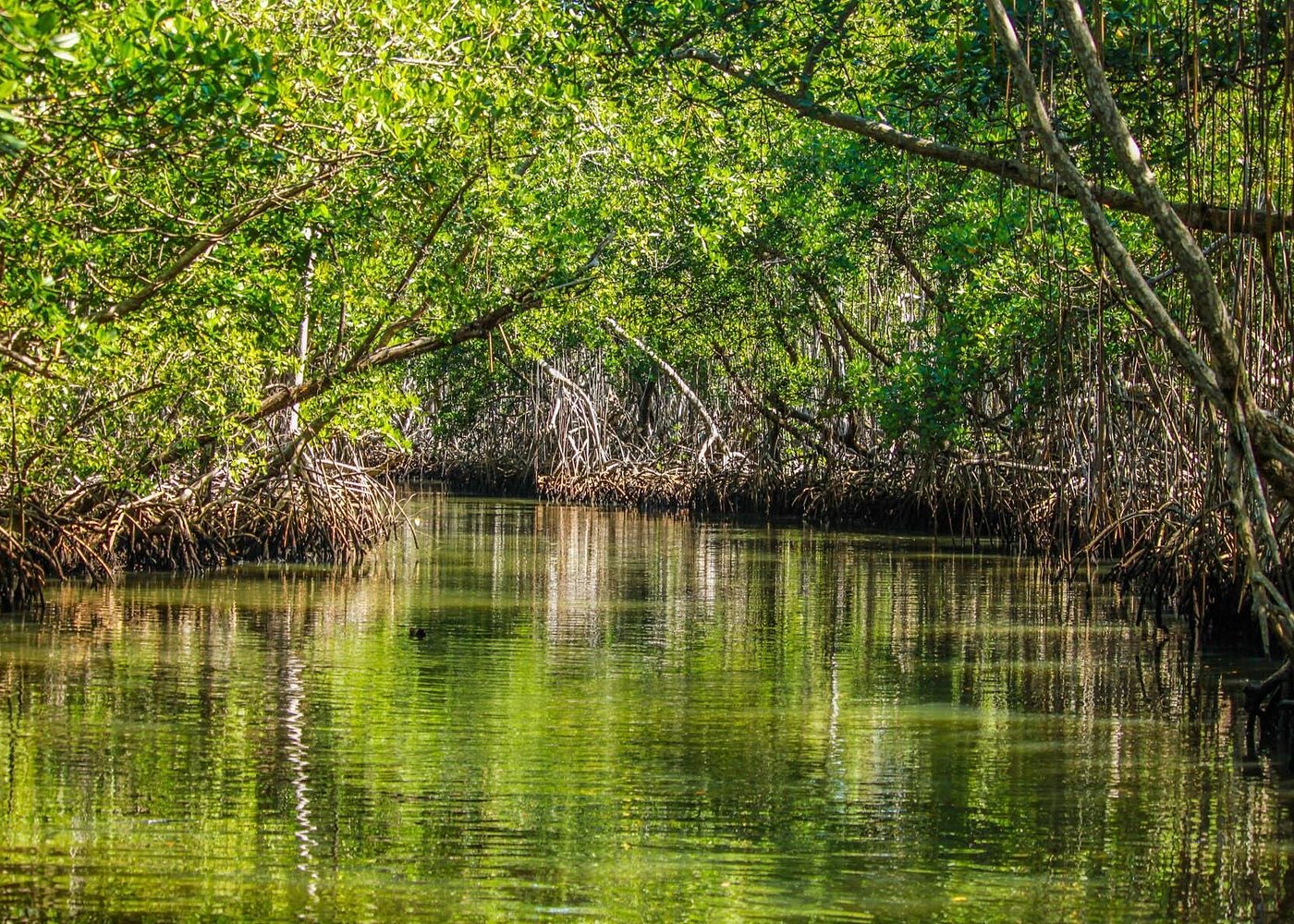
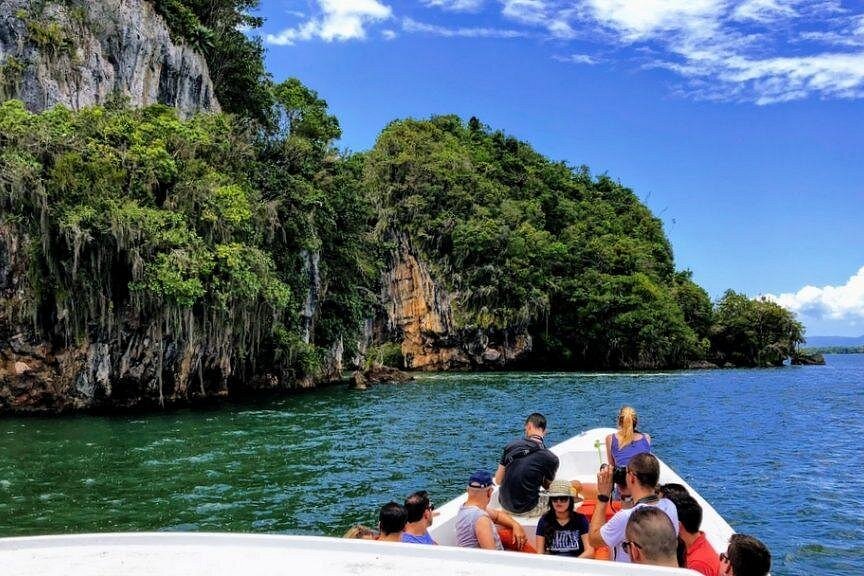
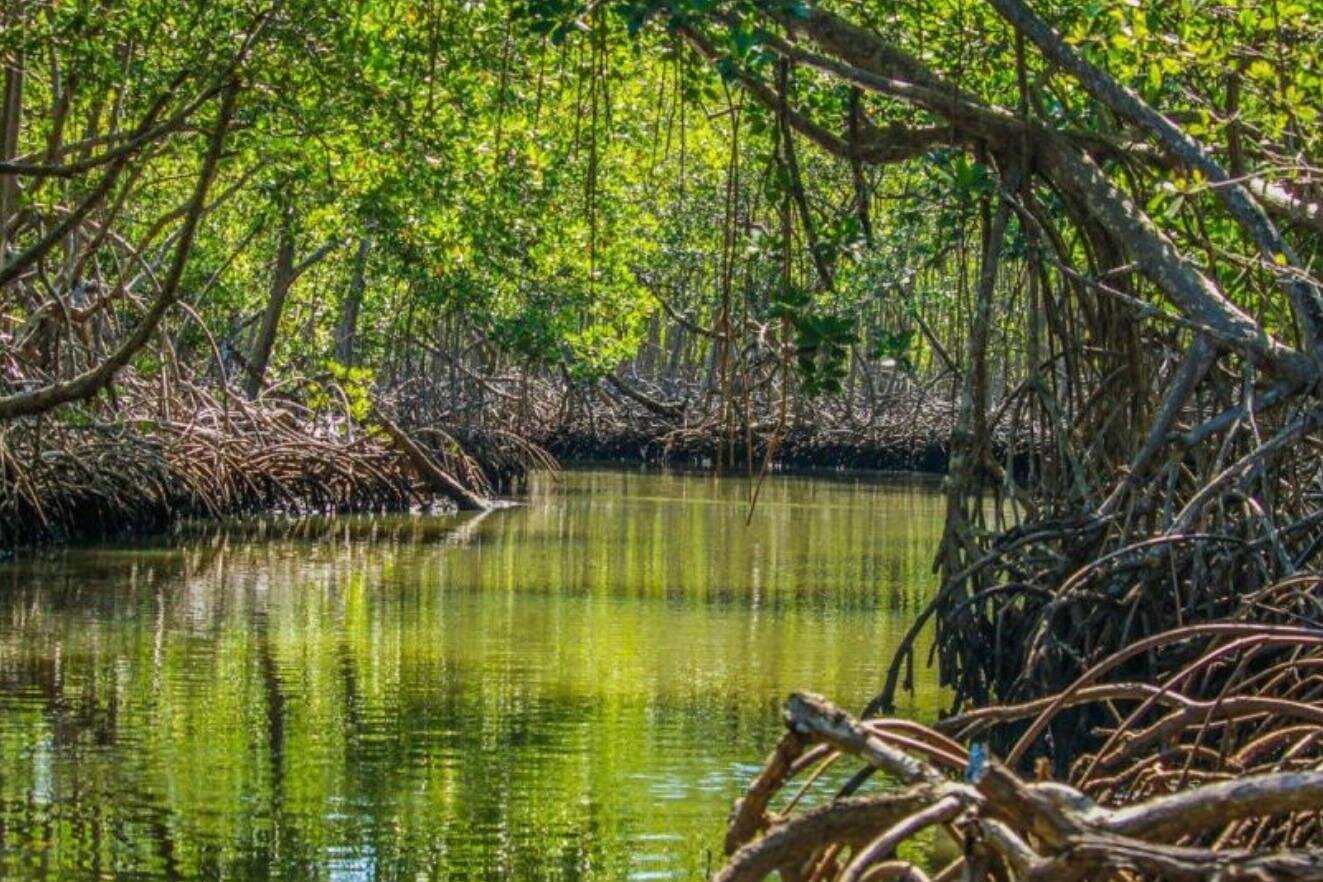
Located in the northeastern part of the Dominican Republic, Los Haitises contains a varied landscape of limestone hills, humid forests, wetlands, rivers and coastal mangroves. Different environmental conditions support different plant communities.
Native trees are particularly important because they belong naturally to the region's ecosystems. Over long periods, they have become part of the relationships between local soil, climate, insects, birds and other wildlife.
Understanding these trees helps visitors appreciate why forest conservation is essential in Los Haitises.
This guide explores native trees, their ecological functions, their relationship with wildlife and the importance of protecting the park's natural vegetation.
1. What Are Native Trees?
Native trees are species that occur naturally in a particular geographical region without having been introduced there by people.
They are part of the area's natural plant communities and have developed ecological relationships with local environmental conditions.
Native trees can provide:
- Food for birds and other animals.
- Flowers and nectar for pollinating organisms.
- Fruits and seeds for wildlife.
- Shelter and nesting opportunities.
- Shade and protection for smaller plants.
- Organic material that supports soil development.
Native trees are different from introduced species, which have been brought into an area from elsewhere.
Not every introduced tree is invasive. However, introduced plants can sometimes spread beyond cultivation and affect native ecosystems.
Protecting native vegetation helps maintain the natural character and biodiversity of Los Haitises.
2. Why Native Trees Matter in Los Haitises
Los Haitises contains several types of forest and vegetation communities.
The park's humid conditions, limestone geology and varied drainage patterns influence the distribution of plant life.
Trees are important components of these habitats because they provide the physical structure needed by many other organisms.
Their branches create resting places for birds, while their trunks and leaves provide surfaces and resources for insects and other small animals.
Roots help hold soil in place, and fallen leaves contribute organic matter.
Different tree species also respond differently to soil depth, sunlight and moisture.
This means that conserving a diverse native tree community helps maintain a variety of ecological conditions across the park.
3. Native Trees and the Tropical Forest Structure
Trees create the main physical structure of tropical forests.
Their crowns form the upper canopy, while smaller trees and young plants occupy lower vegetation layers.
Mature trees can provide shade and influence the amount of sunlight reaching the forest floor.
Their roots interact with the soil and help support the stability of the surrounding landscape.
As trees grow, produce seeds and eventually die, they contribute to the natural cycle of forest regeneration.
Different species may occupy different positions within the forest according to their growth characteristics and environmental requirements.
A healthy forest therefore depends on more than the presence of large trees. It also needs young trees, seedlings and other native vegetation to support future growth.
4. The Role of Native Trees in Supporting Wildlife
Native trees provide important resources for wildlife.
Different animals use trees in different ways.
Food for birds
Some trees produce fruits and seeds that can be eaten by birds.
Flowering trees may also attract insects, which become food for insect-eating species.
Nesting and shelter
Branches, tree cavities and dense foliage may provide shelter or nesting opportunities for birds.
The availability of these structures depends on tree species, age and condition.
Insects and other invertebrates
Tree bark, leaves, flowers and decaying wood support different communities of insects and other invertebrates.
These organisms contribute to forest food webs.
Reptiles and other animals
Tree trunks and branches may provide movement routes, resting places and hunting locations for animals that use forest vegetation.
The ecological value of native trees therefore extends beyond their own growth and survival.
5. Native Trees and Hispaniolan Birdlife
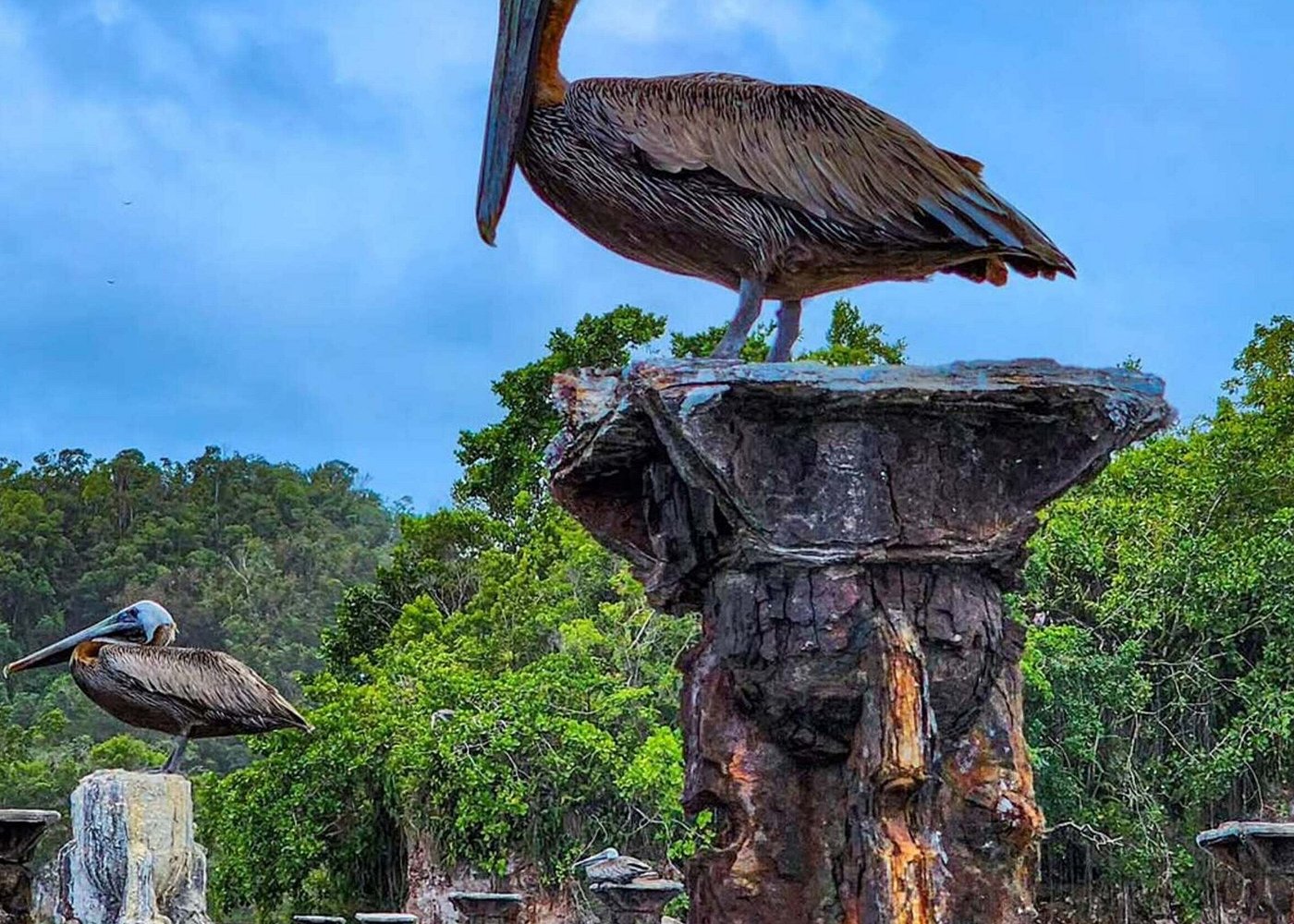
The forests of Los Haitises are important habitats for birds native to Hispaniola.
Trees provide food, shelter and different types of nesting structures.
Several well-known birds associated with the Dominican Republic use forest environments.
Examples include:
Hispaniolan Trogon: This colorful native bird is associated with wooded habitats. Forest conservation helps maintain the vegetation it depends on.
Hispaniolan Woodpecker: It uses trees for feeding and nesting-related activities. Mature trees can provide important habitat structures.
Hispaniolan Parrot: Forest vegetation provides important food and shelter resources for this native parrot.
Hispaniolan Tody: This small bird searches for insects among vegetation and branches.
These species have different habitat requirements. They should not all be described as depending on the same tree species or forest layer.
Protecting a diverse native forest is more useful than focusing on a single tree or bird species.
6. How Native Trees Protect Soil
Tree roots help stabilize the soil around them.
They form networks that hold soil particles together and can reduce the movement of loose material during rainfall.
Tree canopies also intercept some rainfall before it reaches the ground.
Leaves and branches reduce the direct exposure of the forest floor to sunlight and weather.
Fallen leaves create a layer of organic material that can help protect the soil surface.
These functions are particularly valuable in landscapes where rainfall and surface runoff can move sediment downhill.
In Los Haitises, native vegetation contributes to the stability of forested limestone slopes and other natural habitats.
However, the effectiveness of tree roots in controlling erosion varies according to soil conditions, root structure, slope and water movement.
Trees cannot prevent all erosion, especially during severe storms or where the ground is already unstable.
7. Native Trees and the Water Cycle
Trees influence how water moves through a forest.
Their leaves intercept rainfall, and their branches direct some water toward trunks and lower vegetation.
Water that reaches the ground may infiltrate the soil or move across the surface as runoff.
Tree roots can create pathways through the soil that influence infiltration.
Trees also release water vapor into the atmosphere through transpiration.
These processes form part of the wider water cycle.
In Los Haitises, the relationship between forest vegetation and water is especially interesting because the park contains limestone formations and karst drainage systems.
Rainwater can enter cracks and openings in the limestone, contributing to underground water movement.
Native vegetation and the geological structure together influence local environmental conditions.
8. Trees in Limestone Forest Environments
The limestone landscape of Los Haitises creates different conditions for tree growth.
Some areas contain shallow soils over limestone, while other locations have deeper soil deposits.
Drainage can also vary considerably.
Water may infiltrate through cracks and underground openings, while natural depressions may collect water.
These differences influence which plants can grow successfully in a particular location.
Trees growing on exposed limestone terrain may experience different soil and moisture conditions from those growing in low-lying areas.
This creates variation in forest structure and plant communities.
The park's native trees should therefore be understood in relation to their specific habitats rather than as one uniform collection of species.
9. Native Trees and Forest Regeneration
Forest regeneration is the process through which vegetation develops and replaces older or damaged growth.
Native trees contribute to this process by producing flowers, fruits and seeds.
Seeds may fall near the parent tree or be transported by wind, water or animals.
When conditions are suitable, seeds germinate and produce seedlings.
Young trees then compete for sunlight, water and nutrients.
Some seedlings survive in shaded conditions, while others grow more successfully when an opening allows additional sunlight to reach the forest floor.
Natural regeneration is important because it helps maintain the forest's plant diversity and structure.
Protecting mature trees is therefore only one part of conservation. Seedlings and young native trees also need suitable conditions to grow.
10. Flowers, Fruits and Seeds: Resources for Wildlife
Trees produce different types of biological resources throughout their life cycles.
Flowers can provide nectar and pollen for insects and other organisms.
Fruits and seeds may become food for birds, mammals and other wildlife.
The availability of these resources can vary according to tree species and season.
This creates changing food opportunities throughout the forest.
Some animals may move between different vegetation areas to locate food.
Other organisms depend on particular plant resources.
The relationships between native trees and wildlife are part of the ecological complexity of Los Haitises.
For this reason, removing one plant species from an ecosystem may affect other organisms that depend on it.
11. Decaying Trees and Dead Wood Are Also Important
A healthy forest is not made up only of living trees.
Dead branches, fallen trunks and decaying wood can provide important habitat.
Fungi and microorganisms break down dead plant material.
Insects and other invertebrates may live in decaying wood and use it as food or shelter.
Some birds and other animals use natural cavities in older trees.
Dead wood also returns nutrients to the soil as decomposition continues.
This process is a normal part of forest ecology.
Removing all dead wood from a natural forest can eliminate useful habitat and interrupt important ecological processes.
However, safety and management requirements may sometimes justify removing particular hazardous trees near visitor infrastructure.
12. How to Identify Native Trees in Los Haitises
Identifying trees requires careful observation.
A single feature, such as leaf shape, may not be enough to identify a species accurately.
Useful identification characteristics include:
Leaves: Their shape, size, arrangement and surface texture can help distinguish species.
Bark: Tree bark varies in color, thickness and surface pattern.
Flowers: Flower shape, color and arrangement can provide useful identification clues.
Fruits and seeds: Their size and structure can help confirm an identification.
Growth form: Tree height, branching pattern and crown shape may also be useful.
Habitat: The location and environmental conditions where a tree grows can provide additional clues.
For accurate identification, visitors should use a regional botanical guide or consult a qualified botanist.
Photographs of leaves, bark and fruits can be useful, but identification should be confirmed before assigning a scientific name.
13. Why a Verified Native Tree List Is Important
A reliable list of native trees requires botanical evidence.
A general list of Dominican Republic trees cannot automatically be treated as a confirmed inventory of Los Haitises National Park.
Some species may occur elsewhere on Hispaniola but not within the park.
Others may be present only in particular habitats or locations.
A useful park-specific inventory should ideally include:
- Scientific names.
- Accepted common names.
- Native or endemic status.
- Habitat information.
- Geographic records.
- Evidence from botanical surveys or herbarium collections.
This distinction is important for responsible SEO publishing.
Using unsupported species lists may mislead readers and create incorrect information about the park's biodiversity.
Until a verified park-specific inventory is available, it is more accurate to discuss native tree communities and their ecological roles without claiming that unverified species occur inside the protected area.
14. Environmental Threats to Native Trees
Native trees can be affected by several environmental pressures.
Potential threats include:
Unauthorized cutting: Removing mature trees can reduce forest structure and habitat availability.
Vegetation clearing: Clearing native plants can expose soil and fragment habitats.
Uncontrolled fires: Fires can damage trunks, branches, seedlings and surrounding vegetation.
Pollution: Contaminated water and soil can affect plant growth.
Habitat fragmentation: Dividing forest areas into smaller sections can reduce ecological connectivity.
Invasive plants: Some introduced species may compete with native vegetation or alter habitat conditions.
The Los Haitises management plan for 2012–2017 discusses wider environmental pressures and conservation needs. These historical observations should not be presented as a current assessment of every forest area.
15. How Native Trees Can Be Conserved
Protecting native trees requires maintaining the natural conditions that support forest regeneration.
Important conservation approaches include:
- Preventing unauthorized tree removal.
- Protecting mature native trees.
- Maintaining suitable conditions for natural seedling growth.
- Monitoring changes in forest vegetation.
- Preventing uncontrolled fires.
- Reducing pollution and habitat disturbance.
- Supporting botanical research and species inventories.
- Using suitable native plants in authorized restoration projects.
Restoration should be based on scientific identification.
Planting a tree simply because it is native to the Dominican Republic does not guarantee that it belongs in every habitat within Los Haitises.
Local ecological conditions should guide restoration decisions.
16. Responsible Tree Observation for Visitors
Visitors can appreciate native trees without disturbing the forest.
During an authorized excursion, visitors may observe differences in tree size, leaf shapes, bark patterns and vegetation density.
A few simple practices can help protect the environment:
- Do not remove leaves, seeds, flowers or branches.
- Avoid scratching tree bark.
- Do not carve names into trunks.
- Stay on authorized visitor routes.
- Avoid disturbing wildlife using trees.
- Do not introduce seeds or plants into the park.
- Follow instructions from authorized guides.
Photography is a useful way to record interesting tree features without damaging vegetation.
Visitors interested in botanical identification should record observations and confirm species names using reliable references.
Frequently Asked Questions
1. What are native trees?
Native trees are species that occur naturally in a particular region without having been introduced by people.
2. Why are native trees important in Los Haitises?
They support wildlife, stabilize soil, contribute organic material and help maintain the natural structure of the park's forests.
3. Are all trees in the Dominican Republic native?
No. The Dominican Republic contains native, endemic, introduced and naturalized tree species.
4. What is the difference between native and endemic trees?
A native tree occurs naturally in a region but may also grow naturally elsewhere. An endemic tree is naturally restricted to a particular geographical area.
5. Do native trees provide food for birds?
Yes. Depending on the species, trees can provide fruits, seeds, flowers and insects that birds use as food.
6. How do tree roots protect soil?
Roots help hold soil particles together and can reduce the movement of soil during rainfall and runoff.
7. Do native trees help the water cycle?
Yes. They intercept rainfall, influence soil infiltration and release water vapor through transpiration.
8. Are dead trees important in tropical forests?
Yes. Dead wood provides habitat for fungi, insects and other organisms and contributes nutrients as it decomposes.
9. How can visitors identify trees in Los Haitises?
Visitors can observe leaves, bark, flowers, fruits and growth patterns, then verify their identification using reliable botanical references.
10. How can native trees be protected?
Protecting mature trees, preventing unauthorized clearing, maintaining natural regeneration and restoring damaged habitats with suitable native plants are important measures.
Conclusion
Native trees are essential components of the forests of Los Haitises National Park.
They provide habitat and food for wildlife, help stabilize soil, influence water movement and contribute to the natural regeneration of tropical vegetation.
Their importance extends beyond individual trees because they support ecological relationships involving birds, insects, fungi, soil organisms and other plants.
Conserving native trees means protecting the natural diversity and structure of the wider forest.
For visitors, learning about native trees provides a deeper understanding of the living environment behind the park's famous limestone scenery, caves, wetlands and mangroves.
Local explorer & expert guide in Samana Whale Watching Tour.