The Marshes of Los Haitises National Park: Aquatic Plants, Shallow Water and Wetland Wildlife
Los Haitises National Park is famous for its limestone formations, caves, mangroves and coastal waterways. Yet its ecological importance also comes from less familiar wetland environments, including marsh-like habitats where shallow water and moisture-loving vegetation create valuable spaces for wildlife.
Marshes are wetlands generally dominated by non-woody plants rather than large trees. Grasses, sedges, rushes and other aquatic or semi-aquatic vegetation can grow in shallow water or waterlogged soil. Depending on local conditions, a marsh may remain wet for much of the year or experience seasonal changes in water coverage.
In Los Haitises, marsh habitats form part of a larger hydrological landscape influenced by rainfall, limestone geology, surface drainage and groundwater.
This guide explains what marshes are, how aquatic plants grow in shallow water, why water levels change and how these habitats contribute to the biodiversity of Los Haitises National Park.
1. What Is a Marsh?
A marsh is a type of wetland where shallow water and saturated soil support vegetation that is usually dominated by grasses, sedges, reeds and other non-woody plants.
Unlike a typical forested swamp, a marsh generally has fewer large trees. Its vegetation often grows close to the water surface, creating a mixture of open water and plant-covered areas.
Marshes can be freshwater, brackish or saline. Their water conditions depend on their location and connections with rivers, groundwater or the sea.
In tropical landscapes, marshes can occur in low-lying depressions, along river margins and in areas where water collects after rainfall.
The boundaries between marshes, swamps and other wetlands are not always sharply defined. A wetland may contain both open-water sections and areas dominated by woody vegetation.
Understanding these distinctions helps explain the variety of wetland habitats found within the wider Los Haitises landscape.
2. Marsh Habitats Within the Los Haitises Landscape
Los Haitises contains a mixture of natural environments, including humid forests, karst formations, mangroves, coastal habitats and wetlands.
The park's 2012–2017 management plan describes this ecological mosaic and identifies wetlands as important natural features requiring conservation.
The park's karst landscape includes depressions and low-lying areas where water can collect. Rainfall and groundwater movement help maintain the wet conditions found in different parts of the landscape.
However, the available management documentation does not provide a complete, current inventory of individual marshes with verified boundaries and plant lists.
For this reason, it is more accurate to discuss marsh habitats as part of the park's wider wetland environment rather than assign unsupported names or exact locations to individual marshes.
3. How Marshes Differ From Swamps and Mangroves
Marshes, swamps and mangrove forests are all wetland habitats, but they have different characteristics.
Marshes
Marshes are generally dominated by non-woody vegetation, such as grasses, sedges and aquatic herbs. Water may be shallow or seasonal.
Swamps
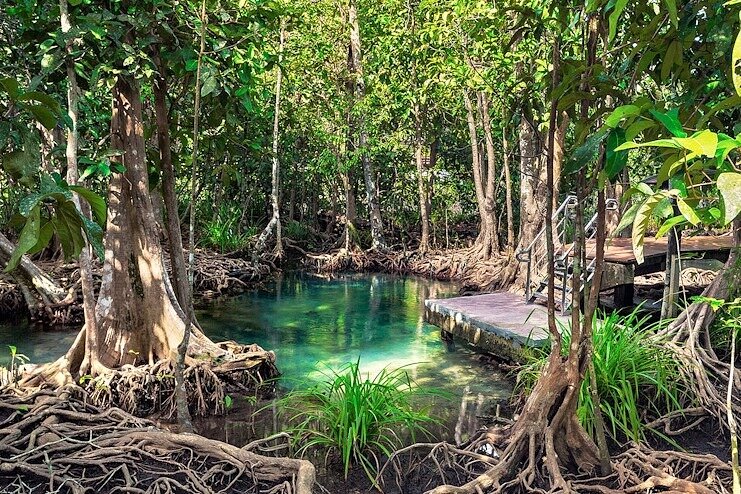
Swamps generally contain more woody vegetation, including trees and shrubs adapted to wet soils.
Mangroves
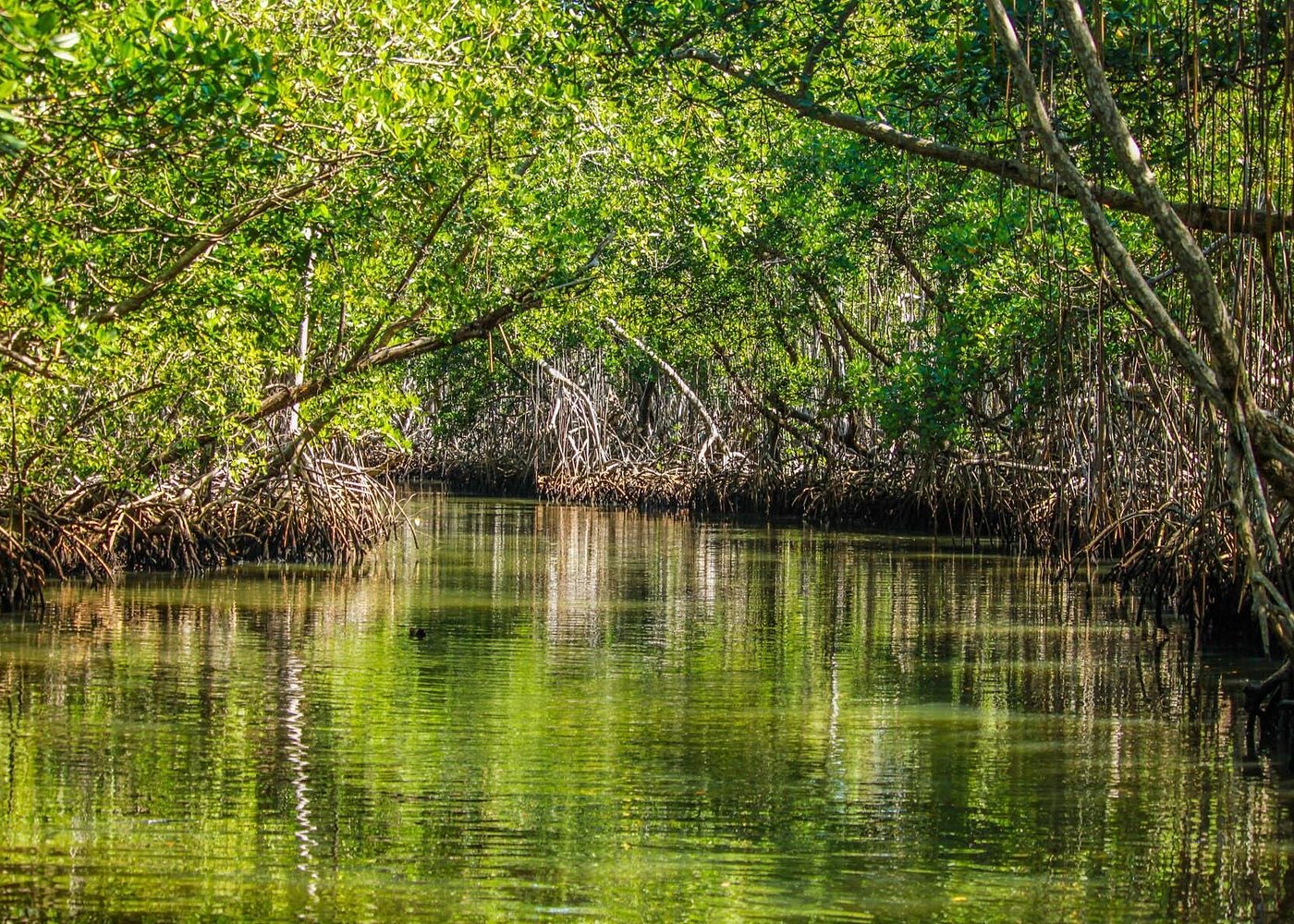
Mangrove forests are coastal ecosystems dominated by salt-tolerant trees and shrubs. Their water conditions are influenced by tides and often by a mixture of freshwater and seawater.
These habitats may occur within the same broader protected landscape, but they should not be treated as identical.
In Los Haitises, the mangrove forests are among the most recognizable coastal habitats, while marsh-like and other wetland environments contribute to the park's wider ecological diversity.
4. Aquatic Plants: The Main Vegetation of Marshes
Aquatic plants are essential to marsh ecosystems.
Some plants grow completely or partly underwater. Others emerge above the water surface while their roots remain in saturated soil.
Different plant forms create different habitats.
Emergent plants: Their roots grow in wet soil or shallow water, while their stems and leaves rise above the surface.
Floating plants: These plants float on the water or remain near the surface.
Submerged plants: Their main leaves and stems grow underwater.
Marginal plants: These grow along the edges of marshes, where soil remains moist but may not always be flooded.
The actual plant species in a marsh depend on water depth, light, salinity, soil and seasonal conditions.
The park's broader management documentation describes humid forest vegetation, wetland environments and plant communities adapted to different parts of its landscape. However, a complete marsh-specific botanical inventory is not established by the sources used here.
It is therefore important not to present generic tropical aquatic plants as confirmed species at a particular Los Haitises site without a reliable botanical record.
5. How Shallow Water Supports Plant Growth
Water depth is an important factor in determining which plants can grow in a marsh.
Some plants tolerate standing water, while others grow better in damp soil that is flooded only occasionally.
Shallow water allows sunlight to reach the bottom in many wetland environments. This can support the growth of aquatic vegetation and other organisms that depend on sunlight.
Water depth also influences oxygen availability around plant roots.
In waterlogged soil, oxygen can become limited because water fills the spaces between soil particles. Wetland plants have different adaptations that help them survive these conditions.
As water levels change, the areas suitable for particular plants may also change.
This is one reason marsh vegetation can form distinct zones, with different plants growing in deeper water, shallow margins and seasonally flooded ground.
6. The Importance of Rainfall and Seasonal Water Levels
Rainfall is a major influence on tropical wetlands.
When rain falls over the Los Haitises landscape, water can enter the soil, flow across the surface or collect in natural depressions.
These processes may affect marsh habitats by:
- Increasing shallow-water coverage.
- Saturating the surrounding soil.
- Creating temporary pools.
- Replenishing groundwater.
- Increasing runoff into low-lying areas.
During periods with less rainfall, some shallow wetland areas may become smaller or expose more of their muddy ground.
The response is not identical everywhere. A marsh connected to groundwater may behave differently from a shallow depression that depends mainly on direct rainfall.
Seasonal changes can influence plant growth, food availability and the areas used by wildlife.
7. Groundwater and the Marshes of Los Haitises
The relationship between wetlands and groundwater is particularly important in Los Haitises because of its limestone geology.
Karst landscapes contain natural openings, fractures, depressions and underground passages. Rainwater can enter these features and move through the limestone.
A scientific paper published in 2013, titled Humedales en Los Haitises, República Dominicana, investigated wetlands in the park's karst environment.
The researchers examined rivers, springs and wells, measured water levels and collected water samples for chemical and isotopic analysis.
The study described numerous wetlands connected to groundwater and identified similarities in the chemical characteristics of several sampled water bodies.
This research helps explain why some wetlands may remain influenced by underground water even when rainfall changes.
For marsh habitats, groundwater can be an important part of the hydrological conditions that maintain saturated soil and shallow water.
8. Wildlife in Marsh Habitats
Marshes provide food, shelter and breeding opportunities for a variety of wetland organisms.
The types of wildlife found in a particular marsh depend on vegetation, water depth, seasonal conditions and connections with nearby habitats.
Wetland birds
Shallow water can provide feeding areas for birds that search for fish, aquatic invertebrates and other small organisms.
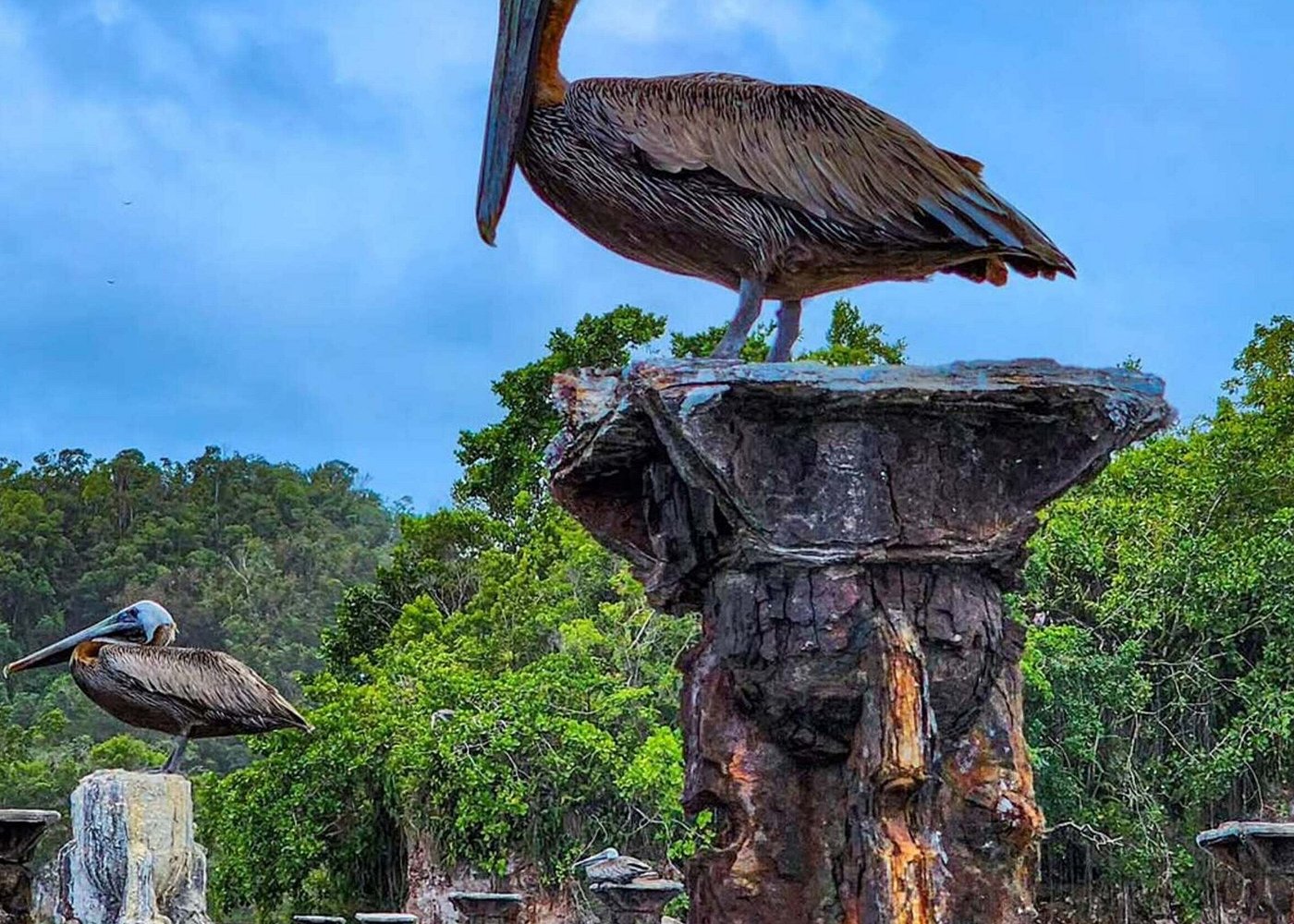
Herons and egrets are examples of birds associated with wetland environments. They often use shallow water and muddy margins when searching for food.
Other water-associated birds may use dense vegetation for shelter or resting.
Aquatic organisms
Fish and other aquatic organisms may use marsh water where suitable habitat and water connections exist.
Some organisms depend on vegetation for protection, while others feed among submerged plants or in shallow muddy areas.
Insects and invertebrates
Wetland insects and other invertebrates form an important part of the food web.
They may live on aquatic vegetation, in wet soil or within the water itself.
Amphibians and reptiles
Some amphibians and reptiles are adapted to wetland conditions. Their occurrence depends on local habitat suitability.
A general wetland description should not be treated as proof that a particular species lives in every marsh in Los Haitises. Site-specific wildlife surveys are needed to establish exact species records.
9. How Marsh Vegetation Supports the Food Web
Marsh vegetation contributes to the food web in several ways.
Plants produce organic material through photosynthesis. Leaves, stems and roots eventually become part of the organic matter in the wetland.
As plant material decomposes, microorganisms and small invertebrates help break it down.
These organisms can then become food for larger animals.
Aquatic vegetation may also provide shelter for small fish and invertebrates, helping them avoid predators.
This creates a network of ecological relationships:
- Plants produce organic material.
- Decomposition releases nutrients.
- Microorganisms and small organisms use available food resources.
- Larger aquatic animals and birds feed on smaller organisms.
- Nutrients continue circulating through the ecosystem.
The structure and condition of marsh vegetation can therefore influence the wider wetland food web.
10. Why Marshes Help Maintain Wetland Biodiversity
Marshes add habitat variety to a landscape.
A protected area containing forest, mangroves, shallow water, marshes and other wetlands can support more ecological niches than an area with only one habitat type.
Marshes contribute by providing:
Feeding areas: Shallow water can support organisms used as food by birds and other wildlife.
Shelter: Aquatic vegetation creates hiding places for small organisms.
Plant diversity: Wetland conditions support plants that may not grow in drier forest habitats.
Water storage: Low-lying wetland areas can temporarily hold water, depending on local conditions.
Ecological connections: Marshes can connect other wetland and terrestrial habitats.
These functions help explain why wetland conservation is important for the overall ecological integrity of Los Haitises.
11. Environmental Pressures That Can Affect Marshes
Marsh ecosystems depend on suitable water conditions and healthy vegetation.
Changes to either can affect the plants and animals that depend on them.
Potential pressures include:
- Pollution entering water bodies.
- Removal or damage of aquatic vegetation.
- Alteration of natural drainage.
- Excessive sediment entering shallow habitats.
- Disturbance caused by uncontrolled human activity.
- Damage to surrounding forests and groundwater recharge areas.
The Los Haitises management plan identifies broader conservation concerns such as habitat degradation, vegetation removal, fires and pollution associated with human activities.
Because that management document covers 2012–2017, it should not be presented as a current assessment of every marsh.
Current monitoring would be needed to establish the condition of individual wetland sites.
12. How Marsh Habitats Can Be Conserved
Protecting marshes requires maintaining their natural water conditions and vegetation.
Important conservation practices include:
Protecting water quality: Waste and pollutants should not enter wetlands or connected water systems.
Maintaining natural drainage: Changes to drainage can affect the amount and timing of water entering a marsh.
Preserving vegetation: Aquatic plants provide habitat and help maintain wetland structure.
Protecting surrounding land: Forests and other vegetation contribute to the wider water cycle and help reduce erosion.
Monitoring water levels: Regular observations can reveal changes in flooding patterns and wetland extent.
Managing tourism responsibly: Visitors should follow authorized routes and avoid trampling sensitive wetland vegetation.
Wetland conservation works best when it is considered together with the management of groundwater, forests, rivers and coastal habitats.
13. Can Visitors See Marsh Habitats in Los Haitises?
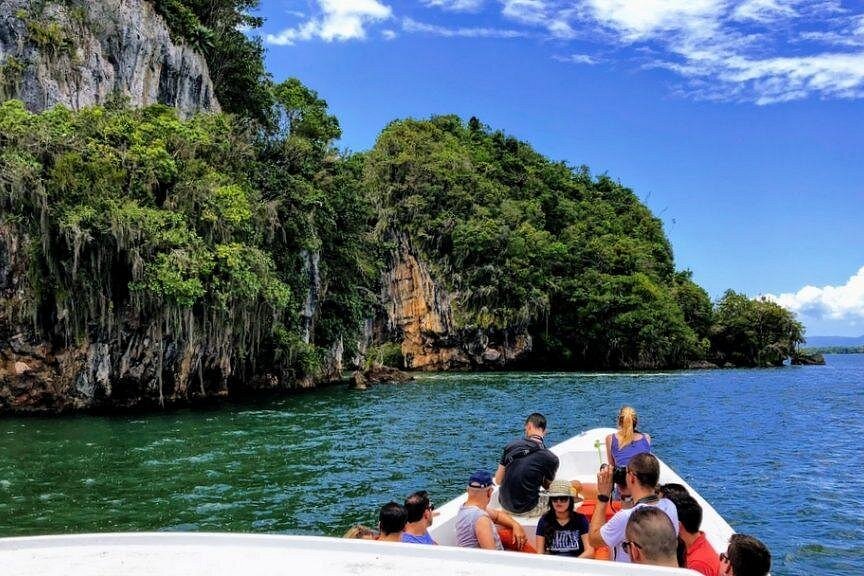
Visitors commonly explore Los Haitises through guided boat excursions and selected nature activities.
These experiences may include mangrove channels, coastal scenery, limestone formations and other authorized visitor areas.
However, not every marsh or wetland is accessible to tourists.
Some areas may be sensitive habitats, difficult to reach or outside designated public-use zones.
If you are interested in seeing wetland vegetation or shallow-water habitats, ask an authorized tour operator which environments are included in the itinerary.
Visitors should remember to:
- Remain on authorized routes.
- Avoid walking through fragile wetland vegetation.
- Never remove plants or animals.
- Keep rubbish away from water.
- Avoid disturbing birds.
- Follow guide instructions.
- Respect restricted conservation areas.
The best way to experience Los Haitises is to observe its natural habitats without disturbing them.
Frequently Asked Questions
1. What is a marsh?
A marsh is a wetland generally dominated by non-woody plants such as grasses, sedges and aquatic vegetation. Its soil is saturated or covered by shallow water for part or all of the year.
2. Are marshes found in Los Haitises National Park?
Wetlands are documented as part of the park's natural environment. However, a complete current inventory of individual marshes and their exact boundaries is not established by the sources discussed here.
3. What is the difference between a marsh and a swamp?
Marshes are generally dominated by non-woody vegetation, while swamps usually contain more trees and shrubs.
4. What plants grow in marshes?
Marshes can support emergent, floating and submerged aquatic plants, as well as grasses and sedges. Exact species depend on local conditions.
5. Does rainfall affect marsh water levels?
Yes. Rainfall can increase shallow-water coverage, saturate soil and contribute to groundwater recharge.
6. Are marshes connected to groundwater in Los Haitises?
Scientific research has documented groundwater connections in numerous wetlands in the Los Haitises karst environment.
7. What animals use marsh habitats?
Wetlands can support birds, fish, insects, invertebrates, amphibians and reptiles. Actual species presence varies between sites.
8. Why are aquatic plants important?
Aquatic plants provide food and shelter, contribute organic material and help create the physical structure of wetland habitats.
9. Can tourists walk through the marshes?
Visitors should not assume that marshes are open for walking. Access depends on park regulations and authorized routes.
10. Why should marshes be protected?
Marshes contribute to biodiversity, nutrient cycling, habitat connections and the wider water system. Their conservation helps maintain the ecological diversity of Los Haitises.
Conclusion
The marsh habitats of Los Haitises are an important part of the park's wider wetland environment. Shallow water, saturated soil and aquatic vegetation create ecological conditions that differ from forested swamps and coastal mangrove forests.
Their water conditions can be influenced by rainfall, groundwater and local drainage. These factors determine where aquatic plants grow and which wildlife can use the habitat.
Although individual marsh locations and species inventories require more detailed field research, the importance of wetlands within the park is well established.
Protecting marsh environments means protecting their vegetation, water quality and natural connections with the surrounding landscape. These efforts help preserve the ecological variety that makes Los Haitises National Park so valuable.
Local explorer & expert guide in Samana Whale Watching Tour.