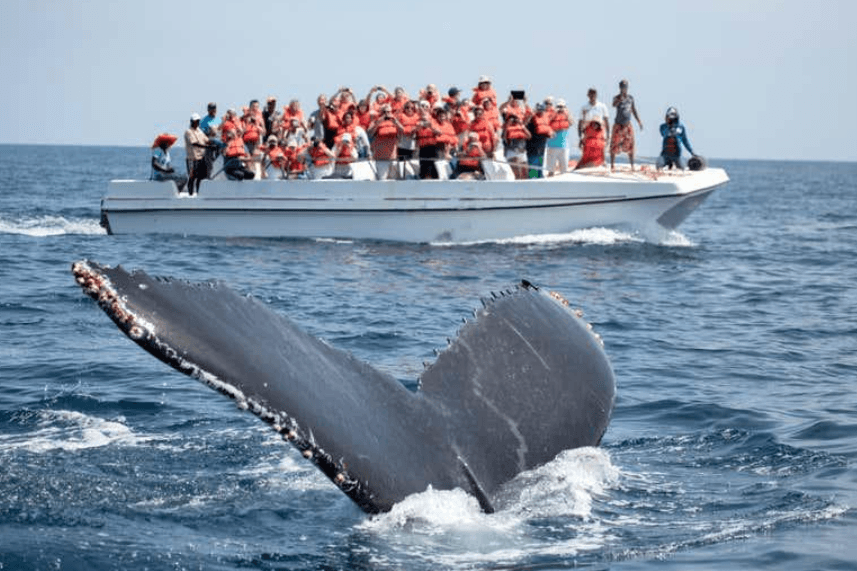
When Is Whale-Watching Season in Samaná 2027 Guide
If you're planning to see humpback whales in the Dominican Republic, Samaná whale-watching season generally runs from January through March, with the main season typically beginning around mid-January. February is a popular month to plan a visit, although whale sightings and activity vary from day to day.
Samaná Bay is one of the Dominican Republic's best-known destinations for seasonal humpback whale watching. Each year, these whales migrate from colder North Atlantic waters to warmer waters in the Caribbean region for breeding-related activities and to give birth and nurse their calves.
Planning a visit in 2027 This guide explains when to go, which months to consider, what to expect on a boat trip, and how to prepare for a responsible whale-watching experience.
Ready to plan your trip? Visit Whales of Samaná to start exploring your options. Confirm the available excursions, operating dates, and departure details before booking.
When Does Whale-Watching Season Start in Samaná?
Whale-watching season in Samaná typically starts around mid-January and continues through March. The exact dates can vary, so visitors should check official announcements and current tour information before arranging their trip.
For 2027, use this general guide for planning:
PeriodWhat to knowEarly JanuaryConfirm whether seasonal excursions have startedMid-to-late JanuaryA typical time to begin planning a whale-watching tripFebruaryA popular month to visit during the main seasonMarchExcursions may continue; check the operating scheduleApril onwardRegular seasonal whale-watching trips may no longer operate
These periods are general seasonal guidance, not confirmed operating dates for every tour provider. Consult the official Dominican Republic tourism website and the Ministry of Environment for official information.
What Is the Best Month for Whale Watching in Samaná?
February is a popular choice because it falls within the heart of the usual whale-watching season. However, there is no single best date that guarantees a particular sighting. Wildlife activity depends on the whales' movements and other natural conditions.
January: The Start of the Season
January can be a good time to plan a whale-watching trip, especially from the middle of the month onward. If you intend to visit in early January, confirm that tours are operating on your chosen date before booking transport or accommodation specifically for the excursion.
February: A Popular Month to Visit
February is a strong option for travellers who want to experience the main whale-watching period. Visitors may observe whales surfacing, lifting their tails, breaching, or interacting with other whales.
These behaviours are possible rather than guaranteed. Every excursion is different, and the number of whales seen can vary.
March: The Later Part of the Season
March can also offer whale-watching opportunities. However, the remaining seasonal window may be limited, particularly toward the end of the month.
If you are visiting in late March, confirm the tour schedule and operating arrangements directly with the provider.
Why Do Humpback Whales Visit Samaná Bay?
Humpback whales undertake long seasonal migrations between feeding grounds in colder waters and breeding areas in warmer regions.
Samaná Bay and the surrounding marine mammal sanctuary are important areas for humpback whales during their seasonal visit to the Dominican Republic. Their presence makes the region a popular destination for nature enthusiasts and wildlife photographers.
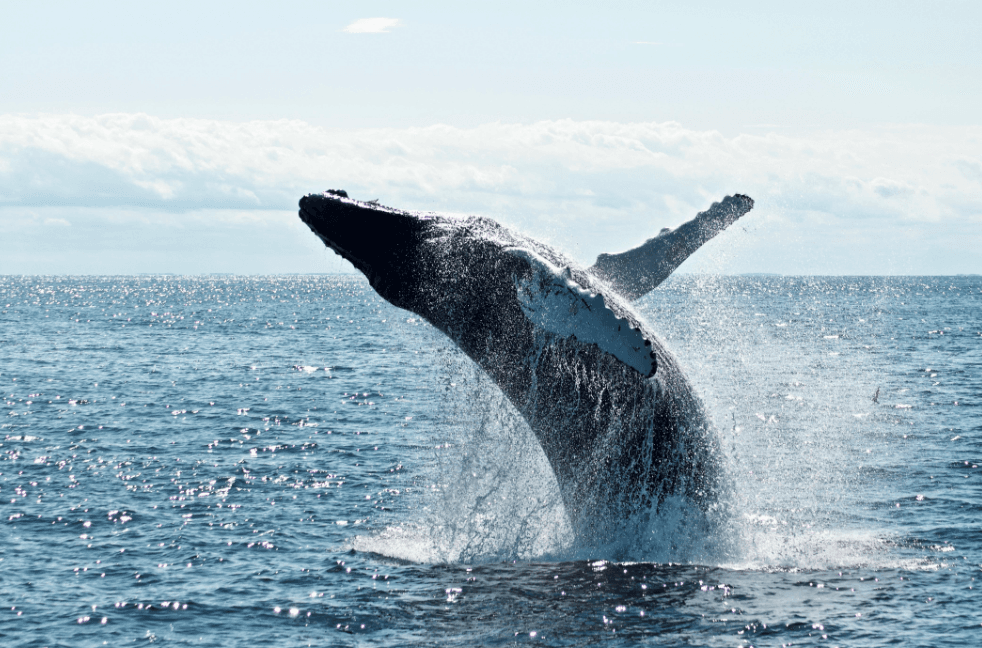
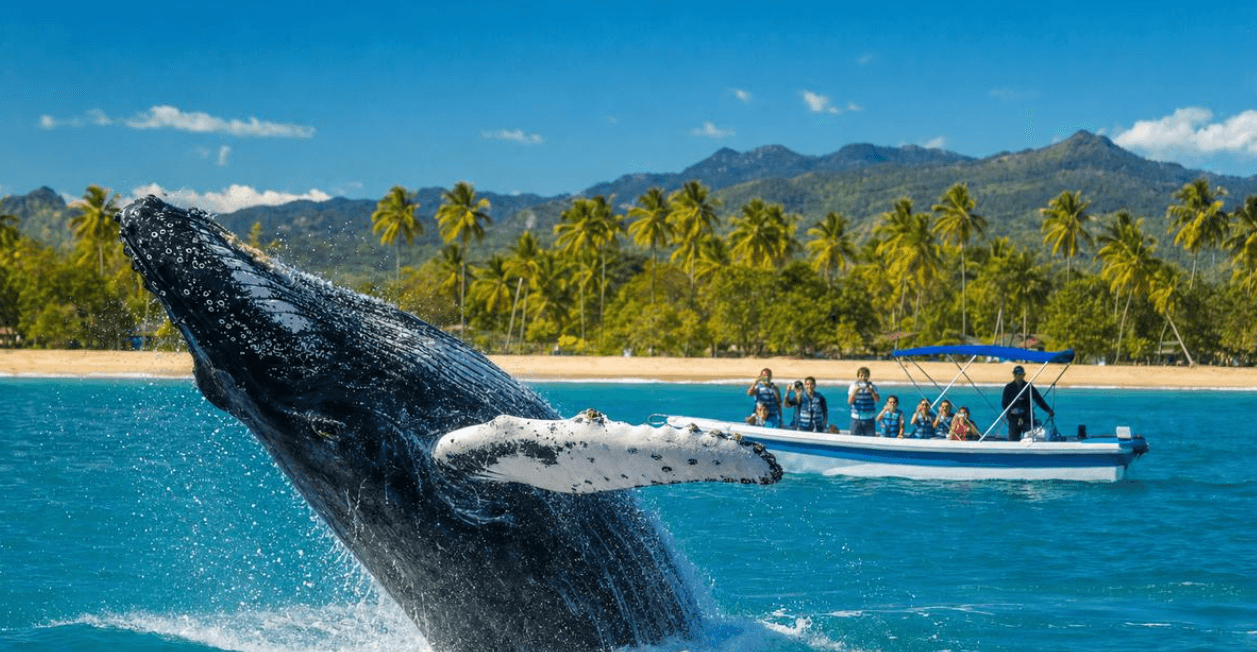
During an excursion, you might see a whale surface to breathe, raise its tail before diving, slap the water with a fin, or leap out of the water. These behaviours depend on what the whales are doing at that moment.
Responsible whale watching allows visitors to observe wildlife while respecting the animals and the rules designed to protect them.
Where Can You Go Whale Watching in Samaná?
Samaná Bay is the principal destination associated with whale-watching excursions in the region. Many visitors arrange trips from Santa Bárbara de Samaná, but departure locations depend on the individual tour.
Before making a reservation, confirm:
- The exact meeting point and departure location.
- Whether transport from your accommodation is included.
- The expected duration of the excursion.
- What the ticket price includes.
- Whether the operator follows current wildlife-protection requirements.
- The cancellation or rescheduling policy.
- What happens if bad weather prevents the trip from operating.
Do not assume that hotel pickup, meals, drinks, or additional activities are included unless the provider explicitly confirms them.
What Happens on a Samaná Whale-Watching Tour?
A typical excursion involves meeting the tour provider, boarding a boat, travelling into the viewing area, and observing whales with guidance from the crew.
The experience can differ depending on the vessel, weather, sea conditions, and type of tour. Some excursions may combine whale watching with other activities, while others focus mainly on observing the whales.
Listen carefully to the crew's safety instructions and remain in designated passenger areas. If you are prone to motion sickness, ask a healthcare professional or pharmacist about suitable precautions before travelling.
Remember that whale watching is a wildlife experience, not a performance. The whales decide where they travel and how they behave.
How to Choose a Responsible Whale-Watching Tour
Choosing a responsible operator helps protect whales and supports a safer, more informative experience for visitors.
Before booking, look for clear information about the operator, vessel, departure location, safety practices, and environmental rules.
A responsible operator should:
- Hold the applicable authorization for the activity.
- Follow current marine mammal observation rules.
- Avoid chasing, surrounding, or deliberately disturbing whales.
- Explain the importance of maintaining appropriate distances.
- Provide clear passenger safety instructions.
- Respect restrictions on how whale encounters are conducted.
For official information about conservation measures and authorizations, consult the Dominican Republic Ministry of Environment.
Do not ask a boat crew to approach whales more closely just to get a photograph. Respectful observation is more important than obtaining a close-up image.
What Should You Bring Whale Watching in Samaná?
A few practical items can make your trip more comfortable.
Consider bringing:
- Sunscreen and sunglasses.
- A hat that fits securely.
- Comfortable, lightweight clothing.
- A light jacket or windbreaker.
- Drinking water, if permitted by the operator.
- A camera or phone with a secure strap.
- Waterproof protection for electronics.
- Any personal medication you normally need.
- Appropriate motion-sickness supplies, if needed.
Wear footwear suitable for boarding and moving around the boat. Check the weather forecast and the tour provider's instructions before departure, because conditions on the water can feel different from those on land.
Keep your belongings secure and follow the crew's guidance throughout the excursion.
Can You See Whales Outside the Main Season?
Samaná's regular whale-watching season is generally January through March. Outside this period, dedicated seasonal whale-watching excursions may not be available.
If you visit outside the main season, consider other activities in the region, such as beaches, waterfalls, local attractions, and nature excursions. Check each activity's operating schedule separately.
Do not plan a trip outside the usual season on the assumption that whale-watching tours will be running.
How to Plan Your Samaná Whale-Watching Trip for 2027
Use this checklist to prepare for your visit.
1. Choose a date within the usual season.
Mid-January through March is the general planning window, but confirm the official 2027 operating dates.
2. Confirm that the excursion is operating.
Ask the provider about your specific date, departure location, and meeting time.
3. Compare the tour details.
Check the duration, inclusions, transport arrangements, safety information, and cancellation terms.
4. Arrange transport and accommodation.
Allow enough time to reach the departure point. If you are staying outside Samaná, confirm travel time and whether transfers are available.
5. Prepare for the boat trip.
Bring suitable clothing, sun protection, and any personal supplies you may need.
6. Follow wildlife guidelines.
Choose a responsible operator and follow the crew's instructions. Sightings and whale behaviours cannot be guaranteed.
7. Recheck details before departure.
Weather, sea conditions, and operating arrangements can change. Confirm the latest information with your provider.
Frequently Asked Questions
When does whale-watching season start in Samaná in 2027?
The usual season begins around mid-January and continues through March. Confirm the official 2027 operating dates before booking.
Is February a good month for whale watching in Samaná?
February is a popular choice because it falls within the main seasonal period. However, sightings and whale activity vary, so a particular date cannot guarantee a specific experience.
Can I see humpback whales in Samaná in March?
March is generally within the whale-watching season. Confirm that excursions are operating on your chosen date, particularly toward the end of the month.
How long does a whale-watching tour take?
The duration depends on the excursion and operator. Check the specific tour details or ask the provider before booking.
Are whale sightings guaranteed?
No. Humpback whales are wild animals, and their location and behaviour cannot be controlled. Read the operator's terms to understand its policy if whales are not spotted.
Is whale watching suitable for children?
It can be a family activity, but suitability depends on the child's age, the boat, sea conditions, and the operator's requirements. Confirm age limits and safety arrangements before booking.
What should I check before reserving a tour?
Confirm the departure point, date, duration, total price, inclusions, transport arrangements, cancellation policy, and the operator's authorization and wildlife-protection practices.
Where can I find official information about the 2027 season?
Start with the official Samaná destination guide and the Ministry of Environment. Contact your chosen operator to confirm its actual schedule.
Plan Your Samaná Whale-Watching Experience
Whale-watching season in Samaná generally runs from January through March, making it a seasonal highlight for visitors to the Dominican Republic. February is a popular time to plan a trip, while January and March can also offer opportunities when excursions are operating.
The best approach is to choose dates within the usual season, confirm the 2027 schedule, and book with an operator that follows wildlife-protection requirements.
Ready to start planning Visit Whales of Samaná to explore the available information and identify suitable excursion options. Confirm the actual booking page, dates, and tour details directly before making a reservation.
Editorial note: This article provides general seasonal guidance. Official 2027 operating dates, tour schedules, prices, and availability should be verified before publication and booking.

Local explorer & expert guide in Samana Whale Watching Tour.