Samaná Whale Watching 2027: The Complete Visitor Guide
Samaná, on the northeastern coast of the Dominican Republic, is one of the Caribbean's best-known destinations for seeing humpback whales in their natural environment. Every year, these remarkable marine mammals migrate to the warm waters of the region, creating a special opportunity for visitors interested in wildlife, nature, and boat excursions.
If you are planning Samaná whale watching in 2027, the most important things to understand are the seasonal timing, where tours operate, how to choose an excursion, and what to expect on the water.
The main whale-watching season generally runs from January through March, although the broader annual season can extend beyond those months. February is commonly regarded as a particularly promising time to plan a trip. However, whales are wild animals, so sightings are never guaranteed.
This guide explains how to plan your visit, what to consider before booking, and how to enjoy the experience responsibly.
Why Is Samaná Famous for Whale Watching?
Samaná Bay attracts humpback whales during their annual migration from colder North Atlantic feeding areas toward warmer tropical waters, where they breed and give birth.
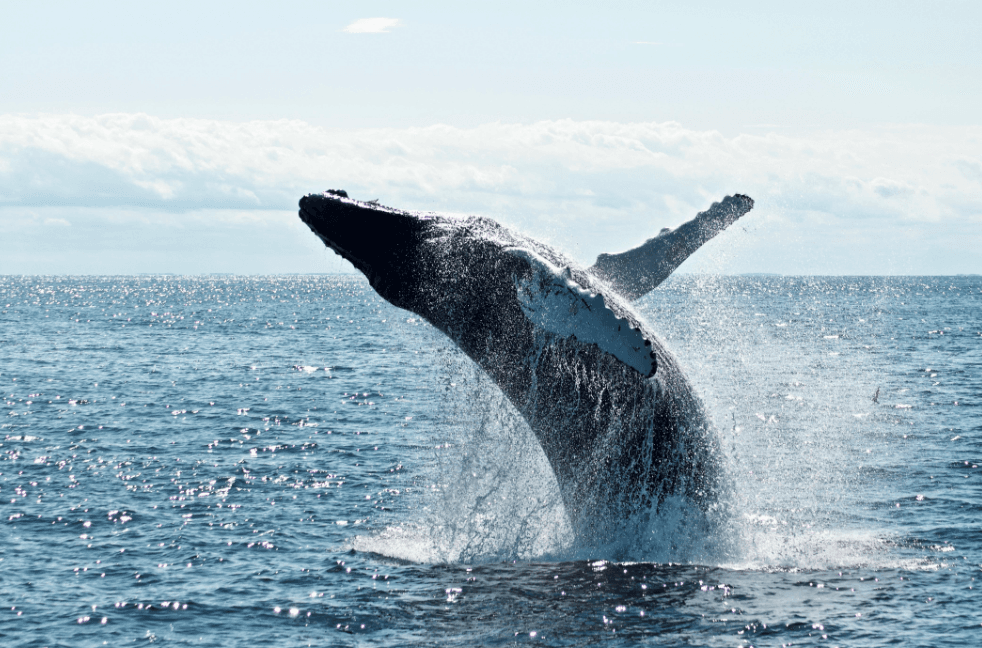
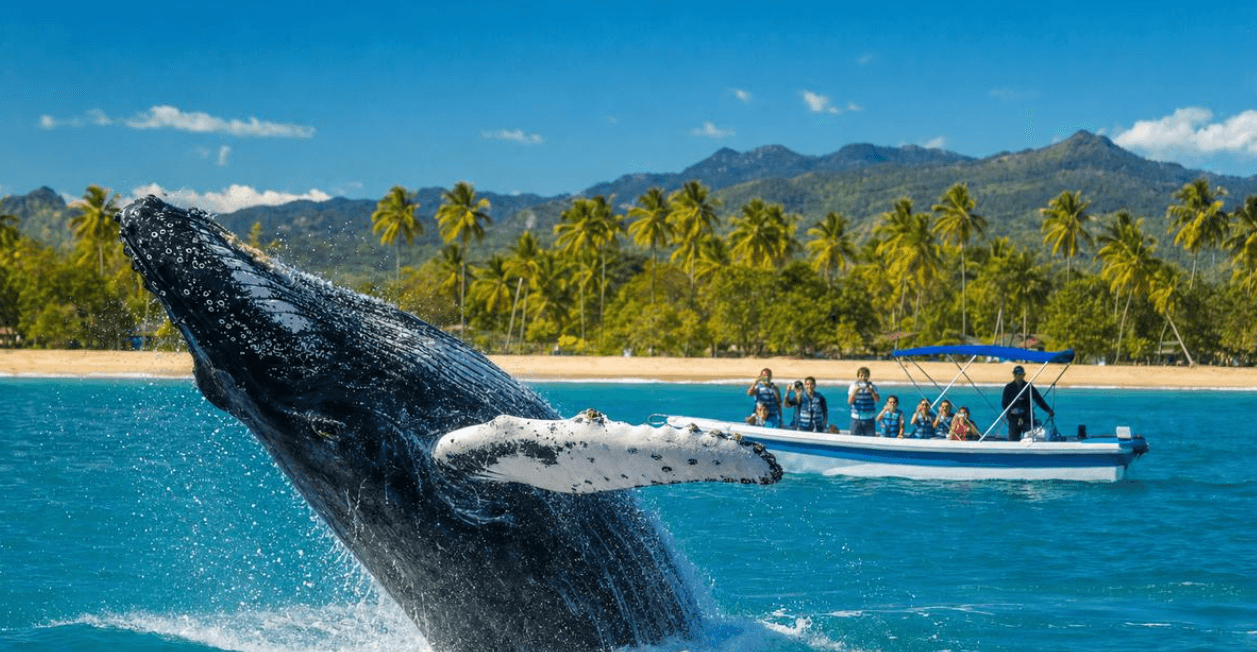
The region's sheltered bay and surrounding marine environment make it an important destination for seasonal whale watching. During the migration period, visitors may have the opportunity to observe whales surfacing, diving, raising their tails, or occasionally breaching.
These behaviors depend on the animals' natural activity. Every trip is different, and no particular behavior can be promised.
Whale watching is also an opportunity to learn about marine ecosystems and conservation. Responsible excursions allow visitors to appreciate these animals while minimizing disturbance to their natural behavior.
When Is the Whale-Watching Season in Samaná in 2027?
The main period to plan around is January through March 2027.
MonthWhat visitors should knowJanuaryA popular month to plan a seasonal whale-watching trip.FebruaryCommonly considered one of the best months to visit during the main season.MarchAnother important month for whale watching, although sightings vary.December and AprilShoulder-period possibilities that require checking current seasonal information and local tour operations.
These are general seasonal planning guidelines, not confirmed departure dates or guarantees of whale sightings for individual days in 2027. Check with the relevant local operator before finalizing travel arrangements.
For more detailed planning, read our related guide to the Samaná whale-watching season.
What Is the Best Month to See Whales?
February is a sensible starting point if your travel dates are flexible and your main goal is to experience the whale-watching season.
Nevertheless, choosing February does not guarantee that you will see more whales than on a January or March excursion. Weather, sea conditions, animal movements, and the timing of your visit can all influence the experience.
Rather than choosing a date based on an absolute promise, compare the available excursions, local conditions, and your overall travel itinerary.
Where Does Whale Watching Take Place?
Whale-watching excursions generally operate in and around Samaná Bay, with departure arrangements depending on the specific tour and operator.
Before booking, confirm the actual departure location. Different excursions may use different meeting points, ports, or transportation arrangements.
If you are staying elsewhere in the Dominican Republic, include the journey to the departure point in your itinerary.
Can You See Whales Near Samaná Town?
Samaná town is a convenient base for exploring the wider region, but seeing whales from land is not something visitors should assume will happen.
A dedicated boat excursion provides an opportunity to look for whales in their marine environment. Sightings still depend on the animals' presence and natural movements.
When selecting a tour, ask where the boat departs, how long the excursion lasts, and whether transportation from your accommodation is included.
How to Choose a Samaná Whale-Watching Tour
Not every excursion offers the same arrangements. Compare the actual services available before making a reservation.
1. Confirm the departure location
Check the meeting point and whether you need to travel independently or arrange transportation.
2. Understand the duration
Ask how long the complete excursion lasts, including any transfers, check-in requirements, and return journey.
3. Compare the boat arrangements
Different operators may offer different vessel types, group sizes, and onboard facilities. Choose an option that matches your comfort level and travel needs.
4. Check what the price includes
Confirm the total cost and whether it covers transportation, food, drinks, guide services, entrance fees, or other items. Do not assume that every tour includes the same services.
5. Review cancellation and weather policies
Boat excursions can be affected by unsafe sea conditions or operational changes. Check the cancellation, rescheduling, and refund conditions before paying.
6. Ask about the wildlife policy
Choose an operator that follows applicable whale-watching rules and prioritizes the animals' welfare over getting close to them.
Once you have compared these details, you can explore the available Samaná tour options as a starting point for researching excursions in the wider region. Verify the departure point and actual itinerary of any listed tour before booking.
How Much Does Whale Watching in Samaná Cost?
The cost depends on the specific operator, departure location, transportation arrangements, boat type, group size, and services included.
A boat excursion departing near Samaná may have a different total cost from a trip that includes transportation from Punta Cana or another distant destination.
When comparing prices, consider the complete cost of your trip rather than the advertised tour price alone.
Before reserving, ask:
- What is the total price per person?
- Are children charged a different rate?
- Is transportation included?
- Are meals or refreshments provided?
- Are there additional fees?
- What happens if the excursion is canceled because of weather?
- Is there a refund or rescheduling policy if the tour does not find whales?
Prices and policies can change. Obtain the current terms directly from the operator rather than relying on outdated online information.
Can You Visit Samaná for Whale Watching from Punta Cana?
Yes, a whale-watching trip from Punta Cana can be part of a Dominican Republic itinerary, but the journey requires more planning than staying near the Samaná departure point.
Depending on the excursion, transportation may take a substantial portion of the day. Confirm the pickup area, transfer duration, departure schedule, time spent on the water, and expected return time before booking.
A combined excursion may include other activities, but inclusions vary by operator.
If you are staying in Punta Cana, compare the full-day schedule with your accommodation plans and consider whether an overnight stay closer to Samaná would make the experience more comfortable.
Do not assume that every Samaná tour offers pickup from Punta Cana or that a particular transfer is included. These arrangements must be confirmed for the actual excursion you choose.
What Should You Bring on a Whale-Watching Trip?
A little preparation can make a boat excursion more comfortable.
Consider bringing:
- Sunscreen and sunglasses.
- A hat that fits securely.
- Lightweight clothing suitable for warm weather.
- A light waterproof layer if conditions call for it.
- Drinking water, subject to the operator's rules.
- A camera or phone with a secure strap or protective case.
- Any personal motion-sickness supplies you normally use, following appropriate medical advice.
- A small waterproof bag for valuables.
Avoid carrying unnecessary valuables or large bags. Ask the operator about recommended clothing, available facilities, and any restrictions before departure.
Is Whale Watching Suitable for Children?
A whale-watching trip can be an exciting family experience, but suitability depends on the child's age, the vessel, sea conditions, and the operator's rules.
Before booking for children, confirm age restrictions, life-jacket availability, boarding arrangements, toilet facilities, and the expected duration of the trip.
Parents should also consider whether their children are comfortable on boats and can follow safety instructions.
What Can You Expect to See?
Humpback whales may surface, dive, show their flukes, or display other natural behaviors during an excursion.
Some visitors may observe spectacular breaches, while others may see whales surfacing more quietly. The number of whales visible and the duration of any encounter can vary considerably.
Your guide may explain whale behavior, migration, and the ecological importance of Samaná Bay. Ask questions and listen carefully to instructions throughout the trip.
Remember that a whale-watching excursion is a wildlife experience rather than a performance. Respecting that uncertainty is part of enjoying it.
Responsible Whale Watching in Samaná
The welfare of whales should remain central to every excursion.
Choose an operator that follows applicable regulations and responsible wildlife-viewing practices. Boats should maintain appropriate distances, avoid surrounding or pursuing animals, and respect instructions from authorized personnel.
Visitors should never encourage a captain to approach a whale more closely than permitted for a photograph.
Responsible operators should also avoid disrupting mothers and calves or interfering with natural behavior.
For further information, consult the Dominican Republic's relevant environmental and protected-area authorities for current rules before your trip.
Responsible tourism helps protect the wildlife that makes Samaná such a special destination.
What Else Can You Do During a Samaná Visit?
Whale watching can be the highlight of a visit, but the region offers other attractions worth considering when planning a longer stay.
Depending on your interests and available time, you might research:
- Cayo Levantado: An island destination associated with beaches and coastal scenery.
- Los Haitises National Park: Known for mangrove ecosystems, limestone formations, and nature excursions.
- Samaná town: A base for exploring local services, the waterfront, and nearby attractions.
- Las Terrenas: A coastal destination to consider when planning additional time in the peninsula.
These activities may require separate transportation, tickets, or reservations. Check travel times and tour availability individually rather than assuming that every attraction can be combined with a whale-watching excursion in a single day.
If you are planning several activities, prioritize the whale-watching departure time and build the rest of your itinerary around the confirmed schedule.
Frequently Asked Questions
Is January a good time for whale watching in Samaná?
January is within the main whale-watching season and is a reasonable month to plan a visit. Individual sightings remain unpredictable.
Is February the best time to visit?
February is commonly considered one of the strongest months to plan around. However, no month guarantees a sighting on a specific excursion.
Can I see whales without taking a boat tour?
Land-based sightings should not be assumed. A dedicated boat excursion is the more practical option for visitors who want to look for whales in Samaná Bay.
How long does a whale-watching tour take?
Duration varies by operator, departure point, transportation arrangements, and itinerary. Confirm the total time required before booking.
Are whale sightings guaranteed?
No. Whales are wild animals, and sightings cannot responsibly be guaranteed without a clearly stated and verifiable operator policy. Review the actual terms of your chosen excursion.
Should I book in advance for 2027?
Booking ahead can help you organize your itinerary, especially if you have fixed travel dates. Confirm the operator's schedule, current prices, and cancellation conditions before paying.
Can I combine whale watching with other excursions?
Some itineraries may combine activities, but whether this is practical depends on the departure schedule, journey times, and tour inclusions. Confirm the complete itinerary before reserving.
What happens if the weather is bad?
The operator may delay, cancel, or reschedule an excursion if conditions are unsafe. The available options depend on the operator's published policy and applicable rules.
Plan Your Samaná Whale-Watching Experience
Samaná offers a memorable opportunity to learn about humpback whales and experience the Dominican Republic's marine environment during the annual migration season.
For a successful trip, plan around the main season, compare tour arrangements carefully, prepare for a day on the water, and choose a responsible operator that respects wildlife.
Ready to plan your excursion? Compare available tours, confirm your departure point and what's included, and ask the operator about current dates and booking conditions before making a reservation.
Make your 2027 visit an opportunity to experience Samaná's wildlife responsibly while helping protect the natural environment that makes the region special.

Local explorer & expert guide in Samana Whale Watching Tour.