The Forest Canopy of Los Haitises National Park: Layers, Light and Life in the Tropical Rainforest
The forests of Los Haitises National Park are among the most important parts of its natural landscape. Their trees, branches, leaves, vines and smaller plants create a complex environment that supports a wide range of living organisms.
One of the most interesting features of a tropical forest is its canopy. The canopy is formed by the upper crowns of trees, where branches and leaves spread across the forest and receive much of the available sunlight.
However, a tropical forest is not made up of only tall trees. Beneath the canopy are several layers of vegetation, each with different light, moisture and temperature conditions.
These layers create different habitats for plants, insects, birds and other animals.
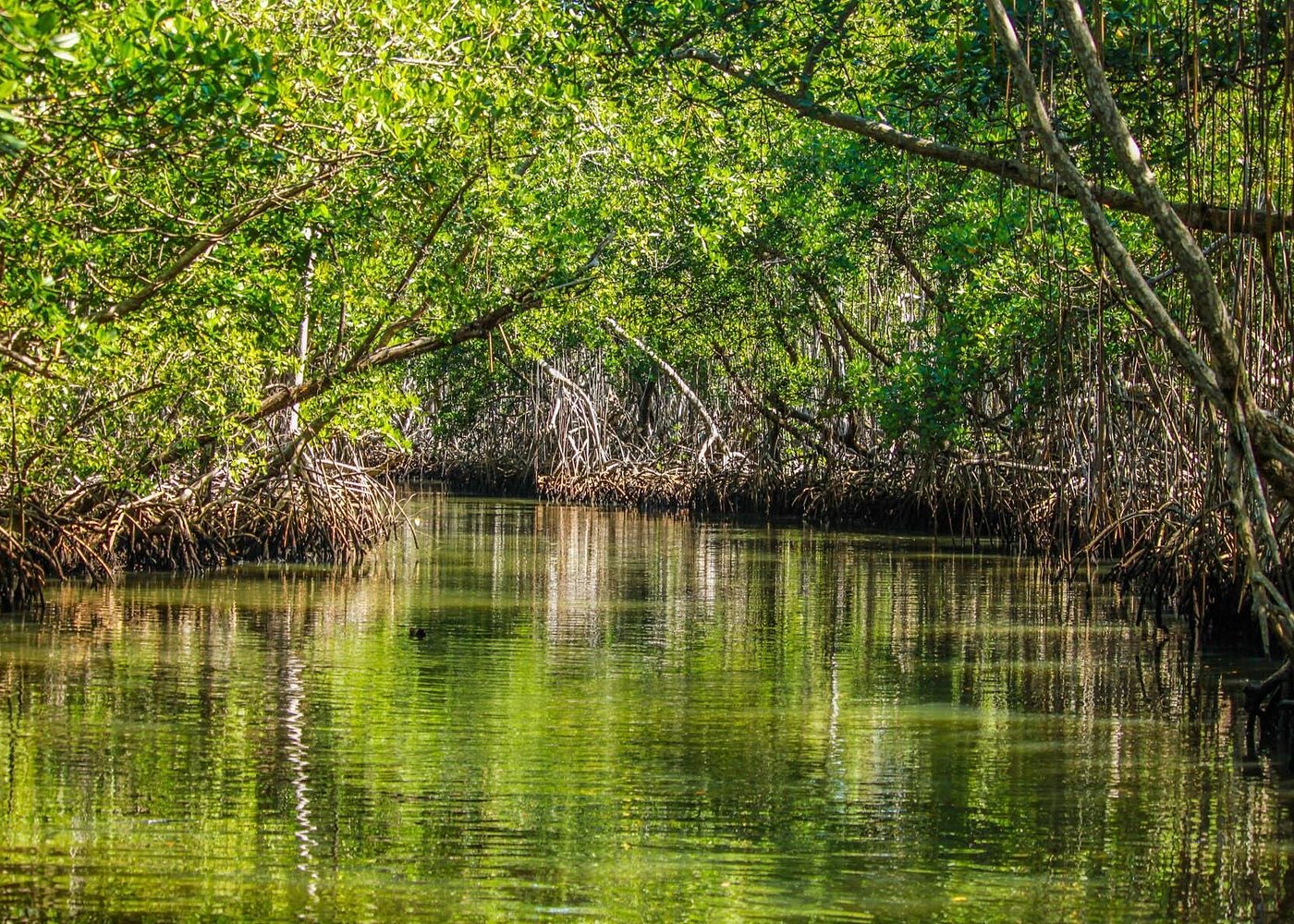
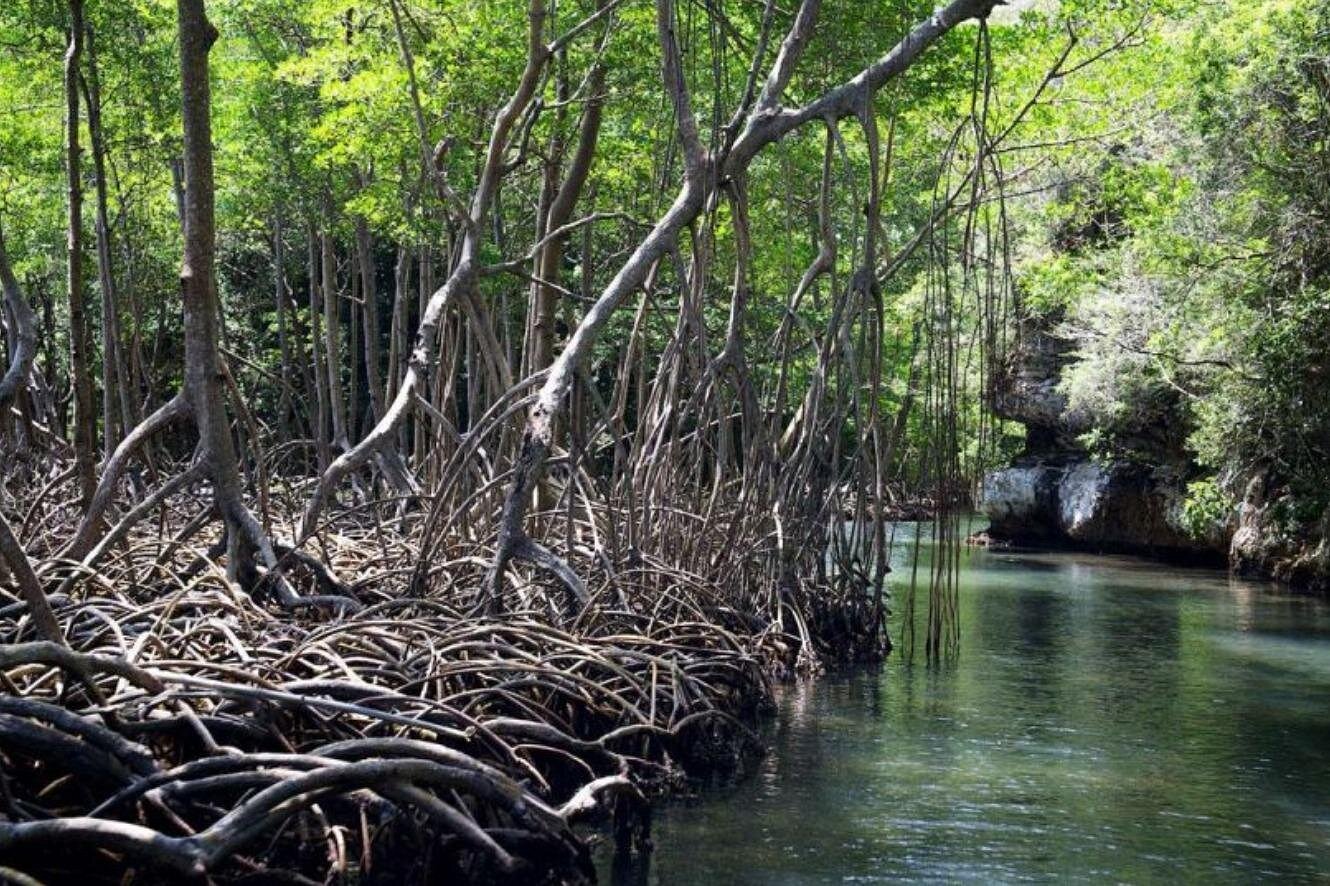
In Los Haitises, the forest canopy is part of a wider ecosystem that includes humid tropical forest, limestone formations, wetlands and mangroves.
This guide explores how the forest canopy works, how its layers are formed and why protecting the forest structure is important for biodiversity in Los Haitises National Park.
1. What Is a Forest Canopy?
The forest canopy is the upper layer formed by the crowns of trees.
A tree crown includes its branches, leaves and smaller growing structures. When many tree crowns grow close together, they form a relatively continuous layer above the forest floor.
This layer receives a large amount of sunlight and supports important ecological processes.
The canopy is responsible for much of the forest's photosynthesis, the process through which green plants use sunlight to produce energy.
It also influences:
- The amount of light reaching lower vegetation.
- Air movement within the forest.
- Rainfall interception by leaves and branches.
- Local humidity and temperature.
- Habitat availability for animals living in trees.
The canopy is not always completely closed. Gaps may occur where trees have fallen, branches have broken or natural openings exist.
These gaps allow additional sunlight to reach the lower forest.
2. The Tropical Forest Structure of Los Haitises
Los Haitises contains several types of natural vegetation, including humid broadleaf forest and other forest communities associated with its limestone and coastal environments.
The forest structure varies according to elevation, soil conditions, water availability and local geography.
Some areas contain dense vegetation, while others have different arrangements of trees and smaller plants.
This variation is important because the park is not one uniform rainforest.
The vegetation found on limestone hills may differ from that growing in low-lying areas.
Similarly, forest communities near wetlands and coastal environments may have different characteristics from those farther inland.
The canopy should therefore be understood as part of a wider forest structure rather than a single identical layer across the entire park.
3. The Emergent Layer: Trees Rising Above the Canopy
In some tropical forests, the tallest trees extend above the main canopy.
These trees are often described as the emergent layer.
Their crowns receive direct sunlight from several directions and are exposed to stronger wind and changing weather conditions.
Emergent trees can create important structural features in the forest.
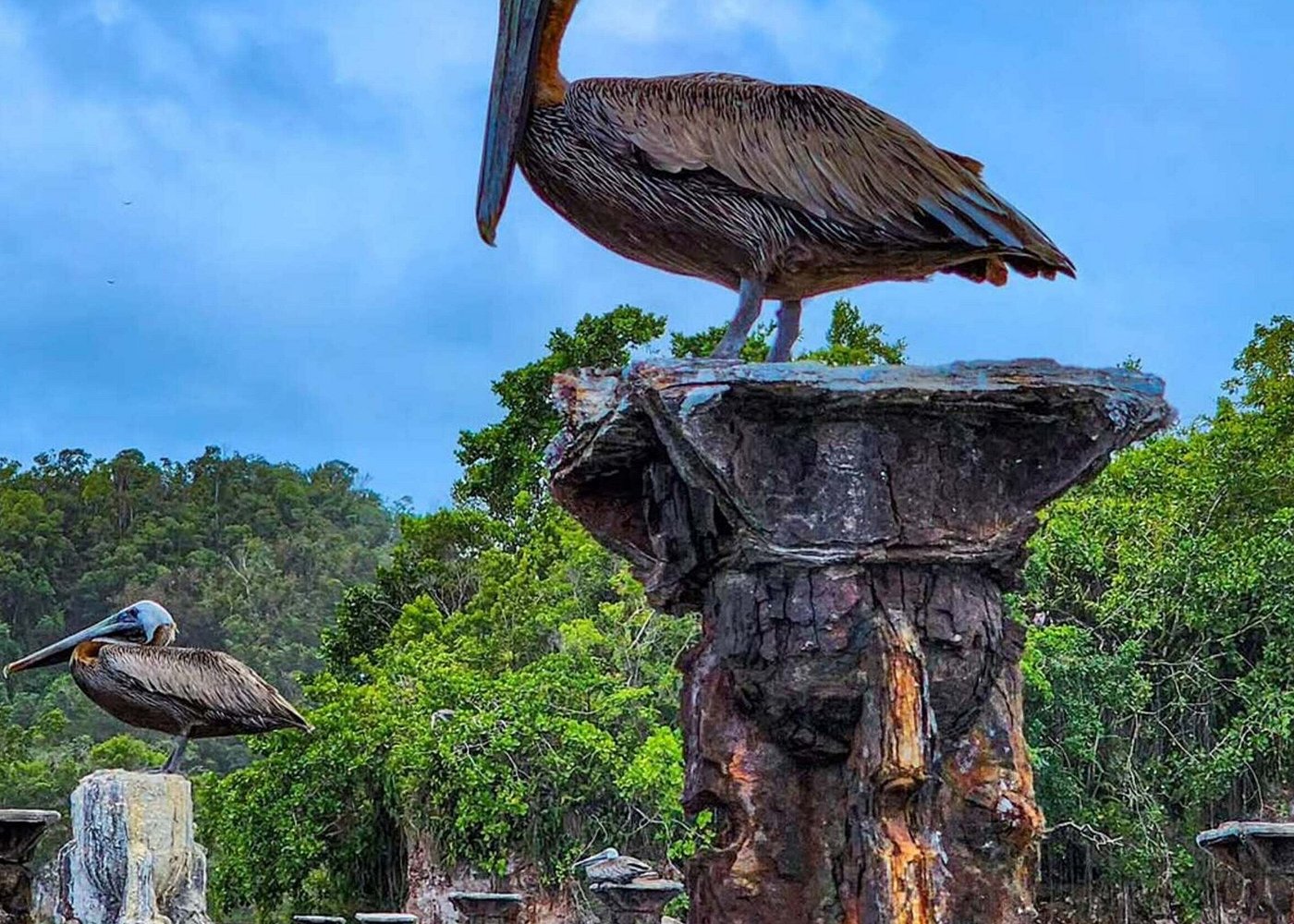
They may provide perching opportunities for birds and create elevated habitat for organisms that use the uppermost vegetation.
However, the presence, height and distribution of emergent trees vary among forests.
It would be inaccurate to claim that every section of Los Haitises contains a clearly developed emergent layer without specific vegetation surveys.
The concept is useful for understanding the structure of tropical forests generally.
4. The Main Canopy: The Forest's Upper Green Roof
The main canopy is one of the most visually important parts of a tropical forest.
It is formed by the crowns of trees that create an upper layer of branches and leaves.
The canopy captures sunlight and supports photosynthesis.
Its leaves also intercept rainfall before water reaches the ground.
Some water evaporates from leaf surfaces, while the rest moves through branches and eventually reaches the forest floor.
The main canopy provides habitat for insects, birds and other tree-dwelling organisms.
Branches can serve as resting places, feeding areas and nesting locations for certain species.
The canopy also influences the environmental conditions beneath it by limiting the amount of direct sunlight reaching lower vegetation.
5. The Understory: Life Beneath the Canopy
Below the main canopy is the understory.
This layer contains smaller trees, young plants, shrubs and shade-tolerant vegetation.
Because the upper canopy intercepts much of the sunlight, the understory usually receives less direct light.
Plants growing here must tolerate relatively shaded conditions.
The understory can provide shelter for animals that prefer dense vegetation.
It also creates connections between the forest floor and higher branches.
Some young trees may remain in the understory for extended periods before growing into brighter spaces.
When a canopy gap develops, increased sunlight may encourage faster growth in suitable plants.
The understory is therefore an important part of forest regeneration.
6. The Shrub and Ground Vegetation Layer
Closer to the ground, smaller plants occupy spaces between tree trunks and exposed roots.
This vegetation may include:
- Shrubs.
- Young trees.
- Ferns.
- Herbs.
- Small climbing plants.
- Other shade-tolerant species.
The exact plant composition varies according to local soil and moisture conditions.
Some areas may support dense ground vegetation, while others have more open surfaces.
This layer is important because it provides shelter for small animals and helps protect soil from direct exposure.
Plant roots also contribute to soil structure.
Leaves and other plant material that fall to the ground become part of the natural decomposition process.
7. The Forest Floor: Where Organic Material Breaks Down
The forest floor is the lowest part of the forest environment.
It receives leaves, flowers, seeds, bark, small branches and other organic material from the vegetation above.
This material gradually breaks down through the activity of fungi, bacteria and invertebrates.
Decomposition returns nutrients to the soil, where plants can use them again.
The forest floor also provides habitat for organisms that live among leaf litter, soil and fallen wood.
Its conditions depend partly on the vegetation above.
A dense canopy may reduce direct sunlight and help maintain a shaded environment.
Moisture levels also vary according to rainfall, drainage and local soil conditions.
The forest floor is therefore connected to the health of every vegetation layer above it.
8. How Sunlight Shapes Forest Layers
Sunlight is one of the main factors influencing tropical forest structure.
The upper canopy receives much of the available sunlight.
Lower vegetation receives filtered light passing through gaps between leaves and branches.
This creates a vertical pattern of light availability.
Different plants have different requirements.
Some species grow best in bright conditions, while others are adapted to shade.
When a large branch breaks or a tree falls, the resulting opening allows more light to reach the understory.
This can encourage the growth of young plants and change the local vegetation structure.
Such openings are part of natural forest dynamics.
9. How the Canopy Influences Forest Temperature and Humidity
The forest canopy influences the conditions below it.
Leaves and branches provide shade, reducing direct exposure of the forest floor to sunlight.
Vegetation also releases water vapor through a process called transpiration.
Together with evaporation from wet surfaces, transpiration contributes to the movement of moisture into the atmosphere.
A dense forest can create a relatively sheltered microclimate.
Conditions beneath the canopy may differ from those in nearby open areas.
However, temperature and humidity are not identical throughout a tropical forest.
They change with canopy density, sunlight exposure, wind and moisture availability.
These local differences create different environmental conditions for plants and animals.
10. How Rainfall Moves Through the Canopy
Rain does not always reach the forest floor directly.
Some rainfall is intercepted by leaves, branches and tree trunks.
Water may remain temporarily on these surfaces before evaporating or dripping downward.
Some rain travels along branches and trunks, a process known as stemflow.
The remaining water reaches the ground as throughfall or direct rainfall through canopy openings.
This movement influences how water enters the soil.
Canopy interception can also reduce the immediate impact of raindrops on exposed soil surfaces.
The amount of rainfall intercepted depends on tree species, leaf structure, canopy density and rainfall intensity.
In a humid tropical environment such as Los Haitises, these processes contribute to the relationship between forest vegetation and water movement.
11. Wildlife Living in the Forest Canopy
The canopy provides habitat for animals that spend part or much of their lives above the ground.
These organisms use branches, leaves and tree cavities for different purposes.
Birds
Birds may use the canopy for resting, feeding, movement and nesting.
Some species search for insects among leaves and branches, while others use higher perches to observe their surroundings.
Insects
Many insects depend on leaves, flowers, bark and other plant structures.
The canopy can provide food, shelter and breeding locations.
Tree-dwelling reptiles
Some reptiles use tree trunks and branches for movement, resting and hunting.
Their distribution depends on the species and available habitat.
Other small organisms
Spiders and other invertebrates may build webs or occupy spaces among leaves and branches.
These organisms contribute to the forest food web.
The canopy is therefore not simply a layer of leaves. It is a complex habitat supporting numerous ecological relationships.
12. Forest Canopy and Bird Diversity in Los Haitises
The forests of Los Haitises are important for birdlife because they provide different feeding and shelter environments.
Birds may use different vegetation levels depending on their behavior and ecological requirements.
Some search for insects among branches, while others use tree cavities, shrubs or the forest floor.
The park is associated with several native Hispaniolan birds, including species such as the Hispaniolan Trogon, Hispaniolan Tody and Hispaniolan Woodpecker.
These birds have different habitat needs and should not all be described as canopy specialists.
Their presence illustrates the importance of maintaining a variety of forest structures.
Protecting only the tallest trees would not be enough. Healthy forests also require understory vegetation, suitable nesting sites and functioning ground habitats.
13. Canopy Gaps and Natural Forest Regeneration
A canopy gap is an opening in the upper vegetation layer.
It may develop when a tree falls, a large branch breaks or natural disturbance changes the forest structure.
These gaps allow additional sunlight to reach lower vegetation.
Some plants may respond with faster growth.
Young trees may use the increased light to develop toward the upper forest.
Other plants may continue growing in shaded areas surrounding the opening.
Canopy gaps contribute to the natural renewal of tropical forests.
They also create variation in habitat conditions.
However, large-scale vegetation loss caused by human disturbance is different from the small natural gaps that occur as part of normal forest dynamics.
14. The Relationship Between Forest Canopy and Limestone Landscapes
The geology of Los Haitises influences where different types of forest vegetation grow.
The park is known for its limestone karst landscape, including hills, depressions and caves.
Differences in soil depth, drainage and moisture can influence tree growth.
Some areas may have relatively shallow soils over limestone, while others contain deeper accumulated soil.
These differences can influence vegetation height and density.
Water also behaves differently in karst landscapes because rainfall can enter cracks and underground openings.
As a result, forest communities may experience different moisture conditions across relatively short distances.
The relationship between geology and vegetation helps explain why the park's forest structure is not uniform.
15. Threats to the Forest Canopy
The forest canopy can be affected by activities and environmental pressures that damage trees or alter natural forest structure.
Potential threats include:
Vegetation clearing: Removing trees reduces canopy cover and changes light conditions.
Uncontrolled fires: Fires can damage tree crowns and destroy lower vegetation.
Illegal cutting: Removing mature trees can create openings and reduce habitat availability.
Pollution: Contamination can affect soil, water and plant health.
Habitat fragmentation: Breaking continuous forest into smaller areas can disrupt habitat connections.
Unmanaged human disturbance: Activities outside authorized routes can damage vegetation and sensitive forest habitats.
The park's 2012–2017 management plan discusses broader conservation concerns, including vegetation degradation and human pressure.
These historical concerns should not be interpreted as a current measurement of canopy loss.
16. Why Forest Canopy Conservation Matters
Protecting the forest canopy means maintaining the structure and ecological functions of the entire forest.
Conservation should consider mature trees, younger vegetation, understory plants and the forest floor.
Important measures include:
- Preventing unauthorized tree cutting.
- Protecting native forest vegetation.
- Monitoring forest disturbance.
- Reducing fire risks.
- Maintaining habitat connections.
- Supporting botanical and wildlife research.
- Restoring damaged areas using suitable native vegetation where authorized.
Forest conservation also helps maintain ecological connections between the park's forest, wetland and coastal environments.
The canopy is only one part of the forest, but its condition influences the habitats below it.
17. Can Visitors See the Forest Canopy in Los Haitises?
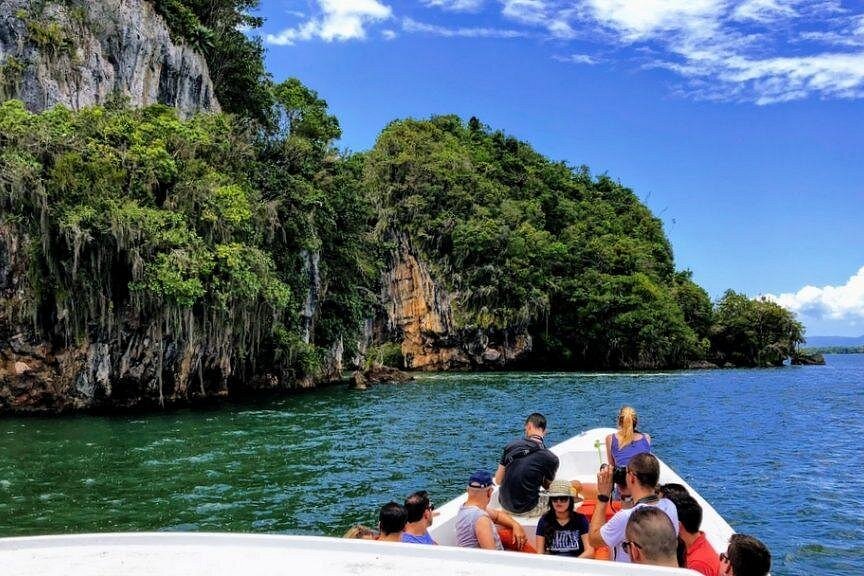
Visitors exploring Los Haitises can observe tropical vegetation during authorized nature excursions.
Boat trips through park waterways may provide views of forested limestone landscapes and vegetation along the water's edge.
However, these experiences do not necessarily provide access to the interior forest or its upper canopy.
Visitors should not assume that all forest areas are open for hiking or independent exploration.
To enjoy the park responsibly:
- Follow authorized visitor routes.
- Avoid damaging plants and tree roots.
- Do not collect leaves, seeds or other natural objects.
- Avoid disturbing nesting birds and wildlife.
- Follow the guide's instructions.
- Keep rubbish out of the natural environment.
Observing the different vegetation layers can help visitors appreciate how tropical forests support biodiversity.
Frequently Asked Questions
1. What is the forest canopy?
The forest canopy is the upper layer formed by the crowns of trees, including their branches and leaves.
2. Does Los Haitises have tropical rainforest?
Los Haitises contains humid tropical forest and other forest communities. Its vegetation varies according to local geology, water conditions and geography.
3. What are the main layers of a tropical forest?
A commonly used model includes the emergent layer, main canopy, understory, shrub or ground vegetation layer and forest floor. Not every forest has all these layers clearly separated.
4. Why is the forest canopy important?
It captures sunlight, supports photosynthesis, provides wildlife habitat and influences the environmental conditions beneath it.
5. What grows beneath the canopy?
Smaller trees, shrubs, ferns, herbs and other shade-tolerant plants may grow beneath the upper tree crowns.
6. How does the canopy affect sunlight?
Leaves and branches intercept sunlight, allowing only some light to reach the understory and forest floor.
7. Does the forest canopy help manage rainfall?
Yes. Leaves and branches intercept some rainfall before it reaches the ground, while other water travels through the canopy as throughfall and stemflow.
8. What animals live in the forest canopy?
Birds, insects, spiders and some reptiles use tree branches and leaves for shelter, feeding and movement.
9. What is a canopy gap?
A canopy gap is an opening in the upper forest vegetation, often created when a tree or large branch falls.
10. Why should the forest canopy be protected?
It provides habitat, supports forest growth and influences the environmental conditions that sustain the wider tropical ecosystem.
Conclusion
The forest canopy is an essential part of the tropical forest environment of Los Haitises National Park.
Its branches and leaves capture sunlight, influence rainfall movement and create habitat for numerous organisms. Beneath it, the understory and forest floor support additional plant and animal communities.
These layers work together to maintain forest biodiversity and ecological stability.
Protecting the canopy therefore means protecting the wider forest structure, from the tallest trees to the smallest plants growing near the ground.
For visitors, understanding this structure provides a deeper appreciation of the forests that form an important part of Los Haitises' natural landscape.
Local explorer & expert guide in Samana Whale Watching Tour.