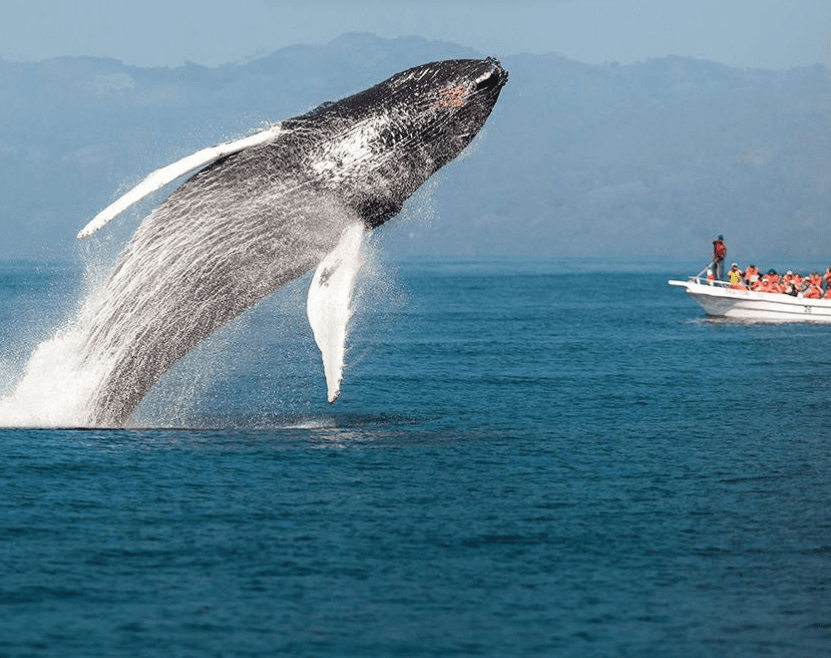
When Is Whale-Watching Season in Samaná?
If you want to see humpback whales in the Dominican Republic, the best time to plan a trip to Samaná is generally from mid-January through March. During these months, humpback whales visit the warm waters around Samaná Bay and the wider marine sanctuary as part of their annual migration.
The season is a major attraction for visitors interested in wildlife, photography, and nature excursions. However, whale watching takes place in a natural environment, so sightings and whale behavior can never be guaranteed.
For the 2027 season, travelers should confirm the official operating dates, permitted tour operators, departure arrangements, and availability before booking. The dates published for previous seasons are useful planning guidance, but they should not automatically be treated as the confirmed schedule for 2027.
When Does Whale-Watching Season Start in Samaná?
Whale-watching season in Samaná normally begins in mid-January and continues through March. The Dominican Republic's official tourism information identifies January through March as the main period for whale watching in Samaná.
During this time, North Atlantic humpback whales travel to Caribbean waters associated with breeding and calving. Samaná Bay and the surrounding protected marine areas provide an important seasonal destination for these animals.
The exact opening and closing dates may vary according to official announcements and the regulations applicable to each season. For example, the Dominican Republic's Environment Ministry announced that the 2025 observation season ran from January 15 through March 31.
For your 2027 trip, check the Dominican Republic Ministry of Environment and the official Dominican Republic tourism website for updated information.
Whale-Watching Season at a Glance
MonthWhat travelers should knowDecemberGenerally before the main whale-watching season; confirm whether any authorized trips operate.JanuaryThe main season typically begins in mid-January.FebruaryFalls within the established main season and is a popular month to plan a visit.MarchAnother key month for whale-watching excursions, subject to official operating dates.AprilGenerally outside the usual season; do not assume regular whale tours are operating.May–NovemberOutside the normal seasonal window for Samaná whale-watching excursions.
This calendar is a general planning guide, not a guarantee of whale presence or tour availability on a particular date.
What Is the Best Month to See Whales in Samaná?
January, February, and March are the principal months to consider when planning a whale-watching trip to Samaná.
Rather than choosing a date based only on the calendar, consider your travel schedule, transportation arrangements, accommodation, and the official tour operating period.
January: The Beginning of the Main Season
January is a good month to consider if you want to experience the beginning of the annual whale-watching period.
Because the main season generally starts in mid-January, travelers planning a trip early in the month should confirm the operating schedule before making non-refundable arrangements.
If you are traveling from another part of the Dominican Republic, allow sufficient time for transportation and check the meeting point and departure time with your tour operator.
February: A Popular Time to Plan a Visit
February falls within the main whale-watching season and is a strong option for travelers organizing a trip around this natural event.
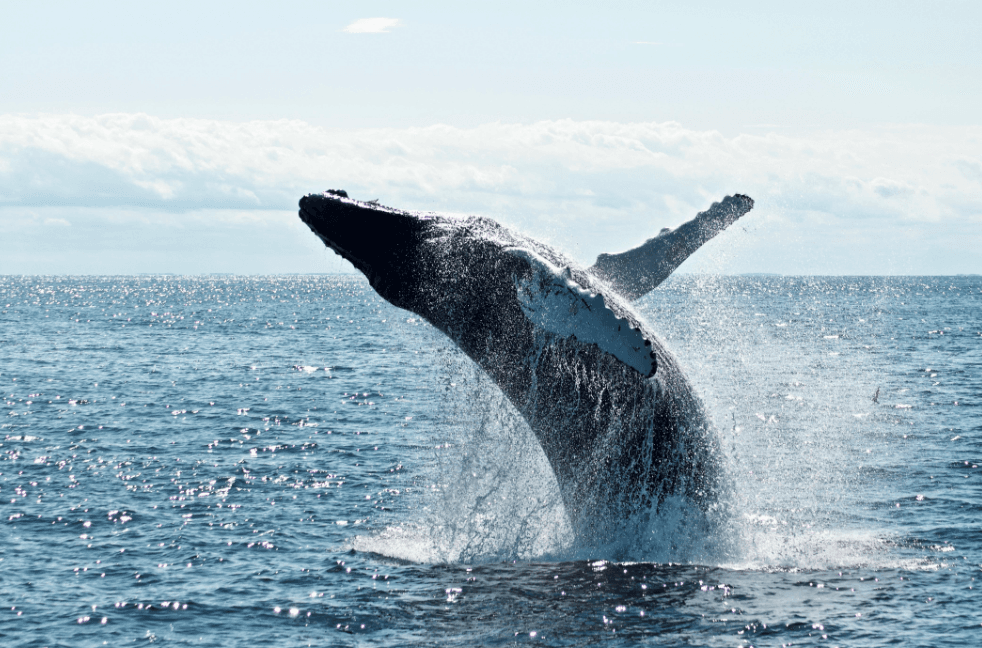
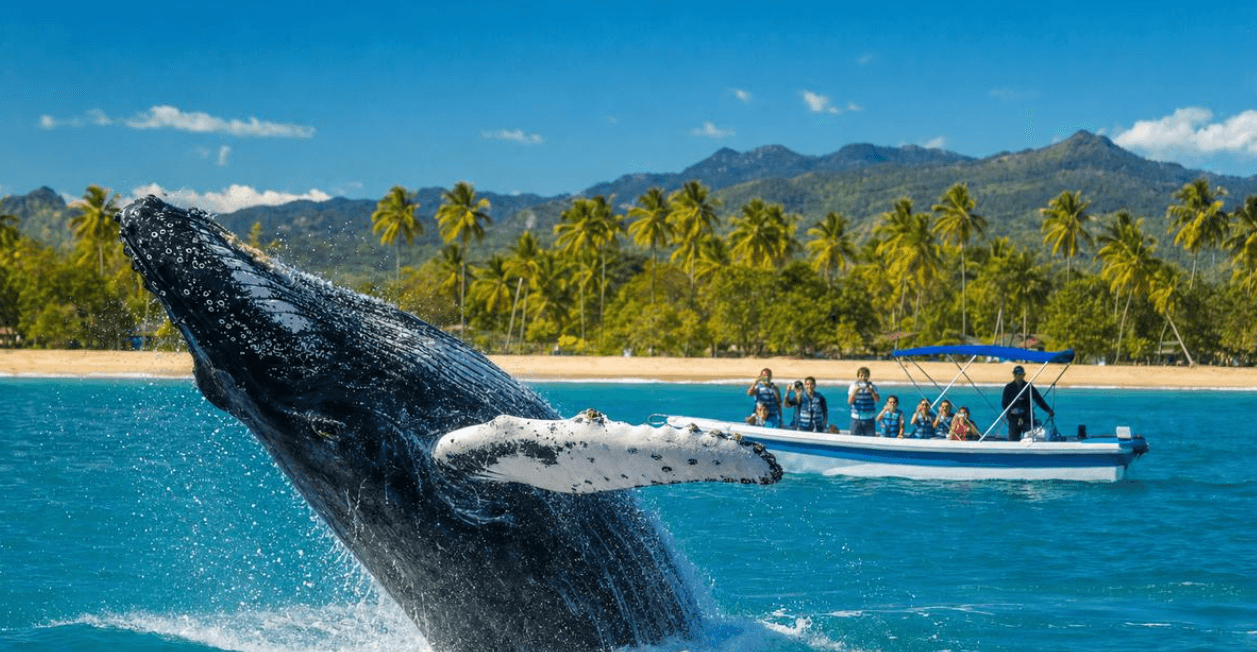
You may have opportunities to observe different types of whale behavior, depending on which animals are present and what happens during your excursion. These behaviors can include surfacing, tail movements, and, occasionally, spectacular breaches.
Nevertheless, no specific behavior is guaranteed. Every whale encounter is different, and a responsible tour should prioritize wildlife protection over getting a closer photograph.
March: Another Important Month for Whale Watching
March remains within the usual seasonal window and can be suitable for travelers who cannot visit in January or February.
Before choosing a late-March date, confirm the season's official closing date and the availability of authorized excursions. Do not assume that all operators will run tours until the final day of March.
Planning tip: If whale watching is the main purpose of your vacation, choose dates within the confirmed operating period rather than relying on a general seasonal calendar.
Why Do Humpback Whales Visit Samaná?
Humpback whales undertake long seasonal migrations between their feeding areas in colder waters and warmer tropical waters used for breeding and calving.
Samaná Bay and the surrounding marine sanctuary are important areas for humpback whales during this part of their annual cycle. The region's whale-watching season allows visitors to observe these animals in their natural environment under regulated conditions.
Humpback whales are large marine mammals known for their long pectoral fins, distinctive tail flukes, vocalizations, and powerful movements. Depending on the encounter, visitors may see a whale surface to breathe, lift its tail, or leap partially or completely out of the water.
Some excursions may also encounter mothers and calves. Their presence should never be assumed, however, because wildlife sightings depend on the animals' movements and behavior.
For visitors, the experience is not simply about seeing a large animal. It is also an opportunity to learn about marine migration, wildlife conservation, and the importance of protecting the waters used by these whales.
Where Can You Go Whale Watching in Samaná?
Samaná Bay is the best-known departure region for whale-watching excursions in the area. Boat trips generally take visitors from an authorized departure point toward designated whale-observation areas.
The precise departure location depends on the tour you select. Some travelers stay in Samaná town, while others stay in Las Terrenas or elsewhere on the peninsula and arrange transportation to their meeting point.
Before booking, confirm the following details:
- The exact departure location and meeting time.
- Whether transportation from your hotel is included.
- The expected duration of the excursion.
- Whether the boat and operator are authorized for whale watching.
- What happens if weather or sea conditions prevent departure.
- The cancellation and refund policy.
Do not assume that every tour advertised online includes hotel pickup, food, drinks, or the same boat experience. Read the individual tour description and confirm any details that are important to your trip.
You can begin researching the destination through the official Samaná destination guide.
What Should You Expect on a Samaná Whale-Watching Tour?
A whale-watching excursion typically involves traveling by boat from the departure point toward areas where humpback whales may be observed.
The overall experience depends on the operator, vessel, sea conditions, and wildlife activity on the day.
Before the Boat Departs
Arrive at the confirmed meeting point on time and follow the crew's instructions. Ask about life jackets, safety procedures, the expected return time, and any restrictions that apply to passengers.
If you are prone to motion sickness, consider discussing appropriate precautions with a qualified healthcare professional before your trip.
During the Excursion
Keep your attention on the guide and crew. Whale sightings can occur at different distances, and you may need patience while the boat moves through the observation area.
Bring a camera or phone if you want photographs, but do not allow photography to distract you from safety instructions. Never lean dangerously over the side of the boat or attempt to approach a whale independently.
After the Tour
Your return time can depend on the excursion arrangements and conditions at sea. If you have another activity planned, leave enough flexibility in your schedule rather than booking activities too close together.
If a tour is cancelled because of unsafe conditions, follow the operator's stated cancellation or rescheduling policy.
How to Choose a Responsible Whale-Watching Tour
Responsible wildlife observation helps protect whales while allowing visitors to learn about them.
The Dominican Republic regulates whale watching in its marine sanctuary. The International Whaling Commission's Dominican Republic country profile describes the country's whale-watching management system and key vessel rules.
When comparing tours, consider these questions:
- Is the operator authorized for the applicable whale-watching season?
- Does the crew explain wildlife-observation rules?
- Does the operator follow applicable distance and vessel-management requirements?
- Are safety equipment and passenger instructions provided?
- Does the tour description avoid promising guaranteed sightings?
- Are cancellation conditions explained clearly?
Avoid operators who encourage passengers to touch, feed, chase, or swim with wild whales. Follow the crew's instructions and respect the protected environment.
Responsible whale watching is not about getting as close as possible. It is about observing wildlife without unnecessarily disturbing it.
What Should You Pack for Whale Watching?
The Dominican Republic has a tropical climate, but conditions on a moving boat can feel different from those on land.
Consider bringing:
- Lightweight, comfortable clothing.
- Sun protection, including a hat and sunscreen.
- Sunglasses secured with a strap.
- A light jacket or windbreaker.
- Drinking water, subject to the operator's rules.
- A camera or phone with a secure strap.
- Any personal medication you normally need.
- Waterproof protection for electronic devices.
Wear suitable footwear and check whether the operator has any restrictions on bags or personal belongings.
If you are traveling with children or older adults, ask about the vessel, seating, boarding arrangements, and safety requirements before reserving.
Can You See Whales Outside the Main Season?
Whale watching in Samaná is a seasonal activity, with the main period generally running from mid-January through March.
Although whale movements are governed by nature rather than a calendar, you should not plan an April or later visit on the assumption that regular whale-watching excursions will be available.
If you visit Samaná outside the whale season, there are other attractions to explore. Depending on your interests and the services operating during your visit, you could consider El Limón Waterfall, Cayo Levantado, local beaches, or a trip to Los Haitises National Park.
For a broader overview of the destination, consult the official Samaná travel guide.
How to Plan Your 2027 Whale-Watching Trip
If you are planning to visit Samaná during the 2027 whale season, use this checklist before making your reservation.
- Confirm the season dates. Check the official announcements rather than relying entirely on dates from previous years.
- Choose your travel dates. January through March is the usual planning window.
- Select your accommodation. Consider how far your hotel is from the excursion's actual departure point.
- Compare authorized tour operators. Review the inclusions, boat arrangements, safety information, and cancellation terms.
- Confirm transportation. Establish whether pickup is included or whether you need to arrange a transfer.
- Check the weather and sea conditions. Follow the operator's instructions before departure.
- Keep your schedule flexible. Avoid planning important onward travel immediately after your excursion.
- Follow wildlife guidelines. Choose an experience that respects the whales and their habitat.
If you are traveling from Punta Cana or Santo Domingo, pay particular attention to transport arrangements and the total time needed for the day. A trip that looks convenient on a map may require substantial travel time.
Frequently Asked Questions
When does whale-watching season start in Samaná in 2027?
The usual season begins around mid-January. Confirm the official opening date for 2027 before booking, because the schedule for previous years does not automatically establish the dates for the new season.
Is February a good month for whale watching in Samaná?
February falls within the main whale-watching season and is a popular month to plan a visit. However, the number of whales seen and their behavior cannot be guaranteed.
Does whale-watching season end in March?
The normal season generally continues through March. Check the official closing date and your operator's schedule before planning a late-March excursion.
Can I see whales in Samaná in December?
December is generally before the main whale-watching season. Confirm whether authorized excursions are operating before planning your trip specifically around whale watching.
Are whale sightings guaranteed?
No. Humpback whales are wild animals, and their movements and behavior cannot be controlled. Ask the operator about its current policy if whales are not spotted.
How long does a whale-watching tour take?
The duration depends on the specific excursion, departure location, and conditions. Check the advertised duration and confirm the expected return time directly with the operator.
Should I book a whale-watching tour in advance?
Booking ahead is a sensible option during a popular seasonal period, especially if your travel dates are fixed. Confirm the operator's cancellation and rescheduling terms before paying.
What should I wear for whale watching?
Wear comfortable clothing suitable for a boat trip and bring sun protection and a light windbreaker. Follow any additional instructions provided by your operator.
Plan Your Samaná Whale-Watching Experience
The usual whale-watching season in Samaná runs from mid-January through March, making it an exciting time to explore the Dominican Republic's marine wildlife.
The best way to prepare is to confirm the 2027 operating dates, choose an authorized operator, understand the excursion arrangements, and leave room for changing sea conditions.
Planning a visit to Samaná during whale season? Explore the available options through Whales of Samaná and confirm the current tour details, departure arrangements, and booking conditions before making your reservation.
Enjoy the experience responsibly, respect the whales' natural behavior, and remember that every encounter with wildlife is different.
Editorial Note
The seasonal dates in this article describe the usual pattern, not a confirmed 2027 operating schedule. Update the article when the relevant authorities publish the final dates and any new requirements. Verify all tour details and booking links before publication.

Local explorer & expert guide in Samana Whale Watching Tour.