When Is Whale-Watching Season in Samaná 2027 Guide
If you want to see humpback whales in the Dominican Republic, Samaná is one of the best places to plan your trip between January and March. During this seasonal migration, humpback whales visit the warm waters around Samaná Bay, making the area a popular destination for whale-watching excursions.
For the 2027 season, January, February, and March are the months to consider. February is a particularly good month to plan around, while visits in January and March can also offer memorable encounters.
However, whale watching takes place in the natural environment, so no tour can guarantee that you will see a whale on a particular day. Before booking, check the latest season dates, sea conditions, and authorized tour options.
When Does Whale-Watching Season Start in Samaná in 2027?
The usual whale-watching season in Samaná runs from mid-January through March. The Dominican Republic's official tourism website identifies January through March as the main period for whale watching in Samaná.
The exact dates for authorized excursions may vary by year. As of October 14, 2026, the Dominican Republic's Ministry of Environment has published information about the authorization process for whale-watching operations in 2027. Travelers should check for the official opening announcement and confirm operating dates with their chosen authorized operator before finalizing travel plans.
For background, you can consult the official Samaná destination guide and the Ministry of Environment's 2027 authorization notice.
What Is the Best Month for Whale Watching in Samaná?
Each month within the main season has its own advantages. The best choice depends on your travel dates, flexibility, and wider Dominican Republic itinerary.
January: The Beginning of the Season
January is a good option for travelers who want to experience the start of the whale-watching season. The main period generally begins in the middle of the month, so check the confirmed opening dates before choosing an early-January trip.
If whale watching is the main purpose of your visit, allowing some flexibility in your schedule can be helpful. This gives you more options if weather or sea conditions affect an excursion.
Best for: Travelers visiting Samaná in the second half of January who want to include whale watching in their holiday.
February: A Great Month to Plan Around
February is a strong choice for a whale-watching trip because it falls within the main season. It is a popular month for visitors hoping to see humpback whales in Samaná Bay.
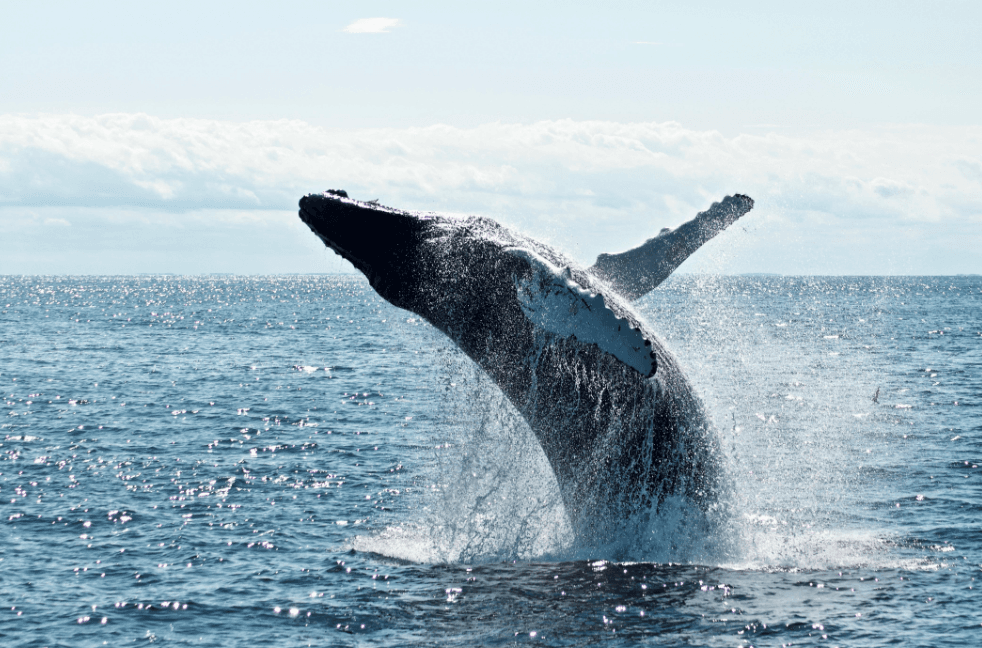
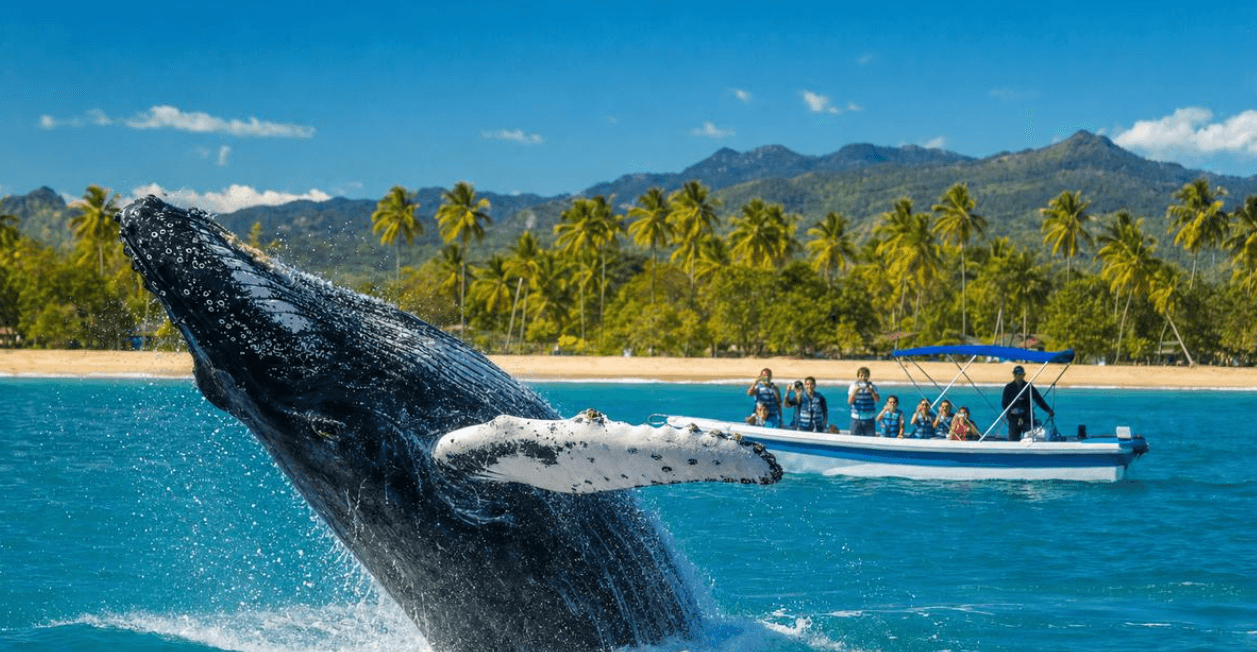
You may observe whales surfacing, raising their tails, or displaying other natural behaviors. More dramatic behaviors, such as breaching, may occur, but their timing cannot be predicted or guaranteed.
Because February is a popular travel period, consider arranging your excursion in advance and confirming the departure location, tour duration, inclusions, and cancellation policy.
Best for: Travelers who can choose their dates and want to visit during the heart of the season.
March: Another Opportunity to See Humpback Whales
March is also part of the usual whale-watching season. It can be a suitable month for visitors who are unable to travel in January or February.
As the season progresses, whales eventually leave the Caribbean waters and return toward their northern feeding grounds. Their movements do not follow an exact calendar, so late-season sightings are not guaranteed.
If you plan to visit toward the end of March, confirm that excursions are operating on your chosen dates.
Best for: Travelers whose schedules fit March and who verify the local operating season before booking.
What About April Through December?
April through December is generally outside the regular whale-watching season in Samaná Bay. Whale-watching boat excursions should not be assumed to operate throughout the year.
If your holiday falls outside the main season, you can still explore other attractions in the Samaná Peninsula, including beaches, waterfalls, viewpoints, and nature excursions. Check the availability of each activity separately.
Why Do Humpback Whales Visit Samaná Bay?
Humpback whales undertake seasonal migrations between northern feeding grounds and warmer waters in tropical and subtropical regions. Samaná Bay is an important part of this annual cycle.
During the winter breeding season, humpback whales use the region for activities associated with reproduction and raising their young. The bay's location makes it a well-known place for people to observe these animals in their natural habitat.
A whale-watching excursion may provide opportunities to see:
- Surfacing: A whale comes to the surface to breathe.
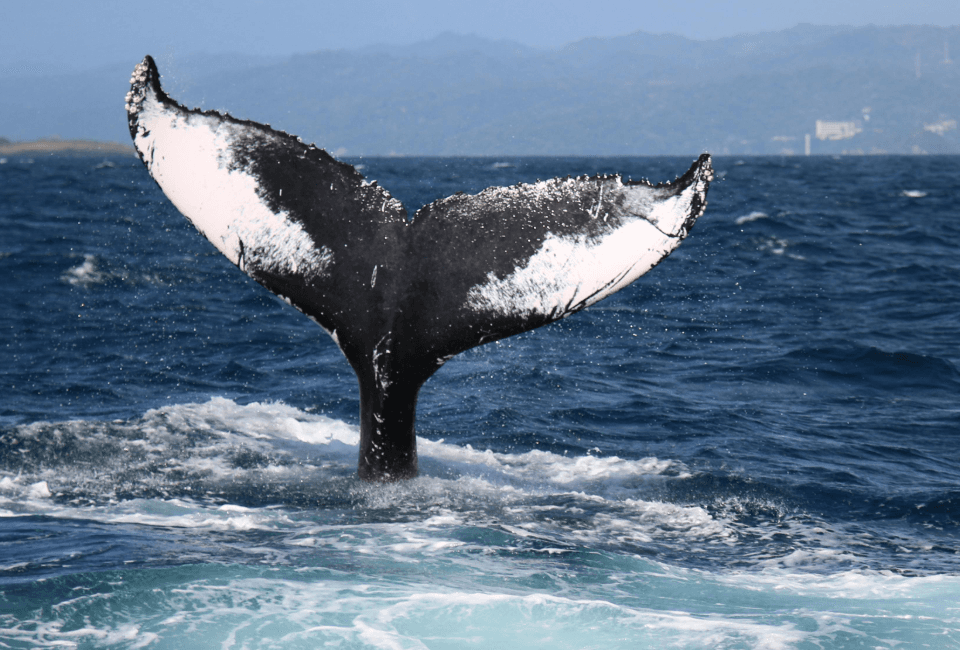
- Tail flukes: A whale raises its tail, sometimes before diving.
- Breaching: A whale launches part or much of its body out of the water.
- Calves with their mothers: Visitors may encounter mother-and-calf pairs when they are present in the area.
These are possible observations, not guaranteed parts of every excursion. The behavior of wild whales changes from day to day.
Where Does Whale Watching Take Place in Samaná?
Most visitors arrange a boat excursion departing from the Samaná area to explore suitable whale-watching waters in and around Samaná Bay.
The precise route depends on the operator, sea conditions, regulations, and where whales are encountered. Before paying, confirm the departure point and whether transportation from your hotel is included.
Samaná is also a destination for beaches, island visits, waterfalls, and nature experiences. If you have several days available, you can build a broader itinerary around your whale-watching trip instead of relying on a single excursion.
For destination planning, start with the official Samaná travel guide.
How Should You Choose a Whale-Watching Tour?
Choosing a responsible operator is just as important as selecting the right month.
1. Confirm authorization
Ask whether the operator is authorized for the relevant season and follows the Dominican Republic's marine mammal protection requirements. Do not assume that every boat advertising whale watching has the required authorization.
2. Check the departure point
Confirm where you need to meet the boat, how early you should arrive, and whether transport from your accommodation is available.
3. Understand what the price includes
Before booking, ask about the total price, trip duration, guide or naturalist services, food and drinks, transport, and any additional fees. These details vary by operator and should be confirmed directly.
4. Ask about weather and cancellation policies
Sea conditions may affect departures. Review the operator's rescheduling and cancellation terms before paying, especially if whale watching is a central part of your holiday.
5. Choose wildlife protection over close encounters
Responsible whale watching means allowing whales enough space and following the instructions of authorized guides and captains. Avoid any operator that advertises unauthorized swimming with whales or promises guaranteed close contact.
For further background on the importance of protecting the area, visit the official Marine Mammal Sanctuary information page.
How Far in Advance Should You Plan Your 2027 Trip?
If you intend to visit during January, February, or March 2027, start researching excursions and accommodation before your preferred dates arrive.
A practical planning approach is to:
- Choose your likely travel dates.
- Verify the official whale-watching operating period for 2027.
- Compare authorized excursion options.
- Confirm the departure location and transportation arrangements.
- Review weather, cancellation, and rescheduling policies.
- Keep some flexibility in your itinerary in case conditions change.
You do not need to plan every hour of your holiday around the whales. A flexible itinerary that includes other Samaná attractions can make your visit more enjoyable if conditions affect your excursion.
Frequently Asked Questions
Is January a good time to see whales in Samaná?
Yes. The main season generally begins in mid-January. Check the official opening dates before booking an excursion early in the month.
Is February the best month for whale watching in Samaná?
February is an excellent month to consider because it falls within the main season. However, no specific date guarantees sightings or particular whale behaviors.
Can I see whales in Samaná in March 2027?
March is usually within the season. If you plan to visit late in the month, confirm the operating dates and excursion availability before making a reservation.
Are whale sightings guaranteed?
No. Humpback whales are wild animals, and their location and behavior can change. A responsible operator should explain this clearly rather than promise a guaranteed encounter.
What should I bring on a whale-watching trip?
Consider bringing sun protection, drinking water, a hat, a light layer for wind, and a camera or phone secured against splashes. Follow your operator's advice about footwear, food, and any motion-sickness precautions you may need.
Can I combine whale watching with other Samaná attractions?
Yes, depending on your available time and the excursions offered. You may be able to plan separate visits to beaches, Cayo Levantado, El Limón Waterfall, or Los Haitises National Park. Verify transport times and tour schedules before combining activities in one day.
Where can I find official information about the 2027 season?
Check the Dominican Republic Ministry of Environment for official announcements and the official tourism website for general destination information. Confirm the final details with an authorized tour operator.
Plan Your Samaná Whale-Watching Trip
The usual whale-watching season in Samaná runs from mid-January through March, making these months the main window to plan a 2027 visit. February is a particularly convenient month to consider, while January and March can also provide opportunities to observe humpback whales.
Before booking, verify the official season dates, compare authorized operators, and check the excursion's departure point and cancellation policy. Most importantly, choose an experience that respects the whales and their natural habitat.
Ready to plan your visit? Explore the information available on Whales of Samaná and confirm the available tours and booking details before making your reservation.
Season dates and operating arrangements can change. Verify current information before travel. Whale sightings and specific behaviors cannot be guaranteed.

Local explorer & expert guide in Samana Whale Watching Tour.