The Seasonal Wetlands of Los Haitises National Park: Rainfall, Flooding and Changing Habitats
The natural landscape of Los Haitises National Park changes with the movement of water. Rainfall, groundwater, surface drainage and coastal conditions all influence its wetlands. Some areas remain wet for long periods, while others experience noticeable changes in water coverage throughout the year.
These seasonal changes are important because wetland plants and animals depend on suitable water conditions. A shallow depression may become flooded after heavy rainfall, while a different area may expose more of its soil during a relatively dry period.
Los Haitises is especially interesting because its wetlands occur within a landscape dominated by limestone formations and karst hydrology. Water can move both across the surface and through underground passages, making the relationship between rainfall and wetland conditions more complex than it may first appear.
This guide explores seasonal wetlands in Los Haitises, how rainfall influences flooding, why water levels change and how these processes affect the park's natural habitats.
1. What Are Seasonal Wetlands?
Seasonal wetlands are areas that become flooded or waterlogged during particular periods of the year.
Unlike permanently flooded wetlands, their water coverage can change considerably according to rainfall, groundwater conditions and local drainage.
Some seasonal wetlands may remain dry or only slightly damp during part of the year before becoming flooded when rainfall increases.
Others may retain water throughout the year but experience substantial changes in depth and surface area.
Seasonal wetlands can include:
- Shallow depressions that collect rainwater.
- Temporarily flooded grasslands.
- Seasonal marshes.
- Low-lying forest areas with waterlogged soil.
- Wetland margins connected to rivers or other water bodies.
These habitats can support specialized vegetation and wildlife adapted to changing water conditions.
The term describes a hydrological pattern rather than one particular vegetation type.
2. Why Seasonal Wetlands Matter in Los Haitises
Los Haitises National Park contains a diverse natural landscape that includes humid forests, limestone formations, mangroves, caves and wetlands.
The park's management plan for 2012–2017 describes several wetland environments and explains the importance of the region's rainfall and karst water system.
The limestone landscape contains depressions and underground openings through which water can enter the ground. Rainfall can therefore influence both surface wetlands and the underground water system.
This creates different hydrological conditions across the park.
Some low-lying areas may collect surface water, while other locations may be influenced by groundwater discharge or connections with streams and rivers.
The park's wetland environments should not be treated as one uniform habitat. Each location may respond differently to rainfall and changes in water availability.
3. Rainfall: One of the Main Drivers of Seasonal Wetlands
Rainfall is a major source of freshwater for tropical wetlands.
When precipitation reaches the ground, water can follow several pathways:
- Some water remains temporarily on the surface.
- Some flows downhill as runoff.
- Some enters the soil and contributes to groundwater recharge.
- Some reaches streams, rivers and other drainage channels.
- Some collects in natural depressions.
The amount of water entering a wetland depends on more than rainfall alone.
Soil characteristics, vegetation, slope, limestone openings and connections with nearby water bodies all influence how much water remains in a particular location.
The Los Haitises management plan records historical rainfall information from regional reference locations, including Sánchez, Cotuí and Hato Mayor.
These measurements illustrate the generally humid conditions of the wider region, but they should not be interpreted as current rainfall measurements for every wetland inside the park.
4. How Heavy Rainfall Changes Wetland Habitats
Periods of heavy rainfall can cause noticeable changes in wetland conditions.
When more water enters a low-lying area than can immediately drain away or infiltrate, water may accumulate on the surface.
This can increase the depth of shallow pools, expand flooded areas and create temporary connections between previously separated wet places.
The ecological effects can include:
More aquatic habitat: Additional water may create temporary habitat for aquatic organisms.
Changes in vegetation coverage: Some plants may become submerged, while others may benefit from newly saturated soil.
Movement of nutrients: Runoff can transport organic material and nutrients into low-lying areas.
Changes in animal activity: Water availability can influence where wildlife feeds, shelters or moves.
However, heavy rainfall does not always improve wetland conditions. Very strong runoff can also transport excessive sediment and pollutants.
The outcome depends on the intensity of rainfall and the characteristics of the local drainage system.
5. What Happens During Drier Periods?
During periods with less rainfall, some seasonal wetlands may experience lower water levels.
Shallow pools can become smaller, and previously flooded ground may become exposed.
This does not necessarily mean that a wetland has disappeared.
Some areas may retain moisture below the surface, while others continue receiving water from groundwater or connected drainage systems.
Lower water levels can change the availability of habitat for aquatic organisms.
They may also concentrate wildlife in remaining water bodies, although this should not be assumed to occur in every wetland.
The vegetation response depends on the plant species and their ability to tolerate drying conditions.
Some wetland plants survive seasonal exposure, while others depend on more consistently saturated soil.
These changing conditions are a natural part of seasonal wetland ecology.
6. The Role of Groundwater in Seasonal Wetland Conditions
One feature that makes Los Haitises different from many ordinary lowland wetland environments is its karst geology.
Limestone can develop fractures, cavities, depressions and underground passages as water gradually dissolves the rock.
Rainwater entering these openings can become part of the groundwater system.
Groundwater may later emerge through springs or contribute to surface-water bodies.
A 2013 scientific study titled Humedales en Los Haitises, República Dominicana investigated relationships between wetlands, rivers, springs and wells in the park's karst environment.
The researchers measured water levels and collected water samples for chemical and isotopic analysis. Their findings described numerous wetlands connected to groundwater.
This relationship is important because not every wetland responds only to immediate rainfall.
A groundwater-influenced wetland may respond more slowly to changes in precipitation, depending on the characteristics of its underground water supply.
This means that seasonal wetland conditions can reflect both recent rainfall and longer-term groundwater movement.
7. How Karst Depressions Collect Water
Karst depressions are low areas formed through geological processes involving the dissolution and collapse of limestone.
Some depressions can collect rainwater or receive water from surrounding slopes.
Their ability to retain water depends on local geological conditions.
Some depressions may drain through underground openings, while others may contain soils that allow water to remain near the surface for longer periods.
In Los Haitises, karst depressions are part of the park's distinctive geological landscape.
They help create variations in soil moisture and water availability across relatively short distances.
This is one reason why two nearby areas may have different vegetation and flooding patterns.
The presence of a depression alone does not prove that it is a seasonal wetland. Local water conditions and field observations are needed to establish its hydrological character.
8. Seasonal Flooding and Wetland Vegetation
Plants in seasonal wetlands must cope with changing levels of soil moisture and flooding.
Some species tolerate prolonged waterlogging, while others grow best where flooding occurs only temporarily.
These differences can create vegetation zones.
Plants in frequently flooded areas
Plants growing in areas that remain wet for long periods need adaptations that allow them to survive low-oxygen soil conditions.
Plants in seasonally flooded margins
The edges of a wetland may experience alternating periods of saturation and exposure.
Vegetation in these areas must tolerate changing soil conditions.
Plants in drier surroundings
Land immediately outside a wetland may support species adapted to better-drained soils.
This creates a transition between wetland and terrestrial vegetation.
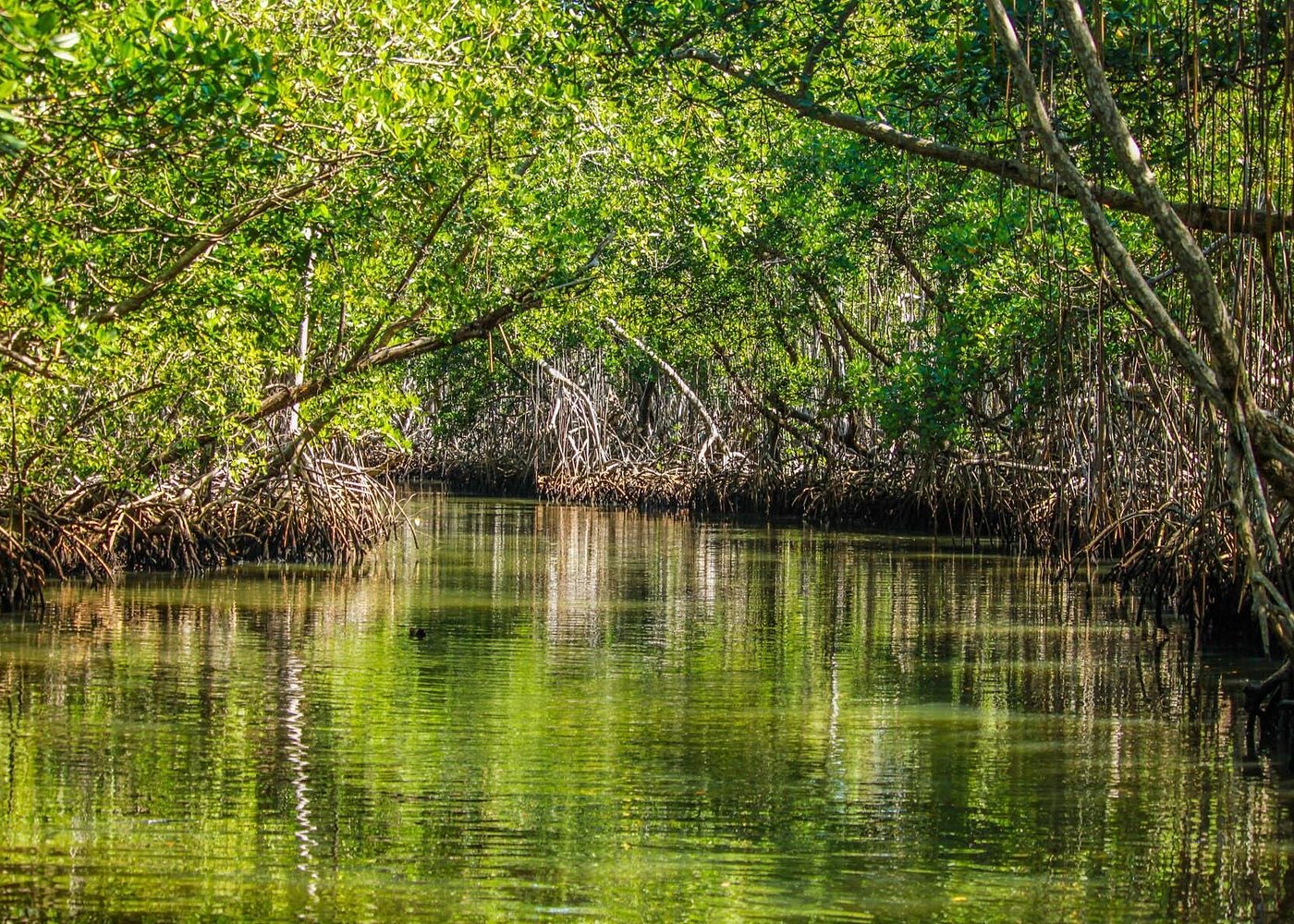
The park's wider habitat mosaic includes humid forest, wetland vegetation and mangroves. These communities should be understood according to their specific water and soil conditions rather than treated as one vegetation type.
9. How Seasonal Water Changes Affect Wildlife
Water availability can influence wildlife movement, feeding opportunities and habitat use.
Different organisms depend on different parts of the wetland.
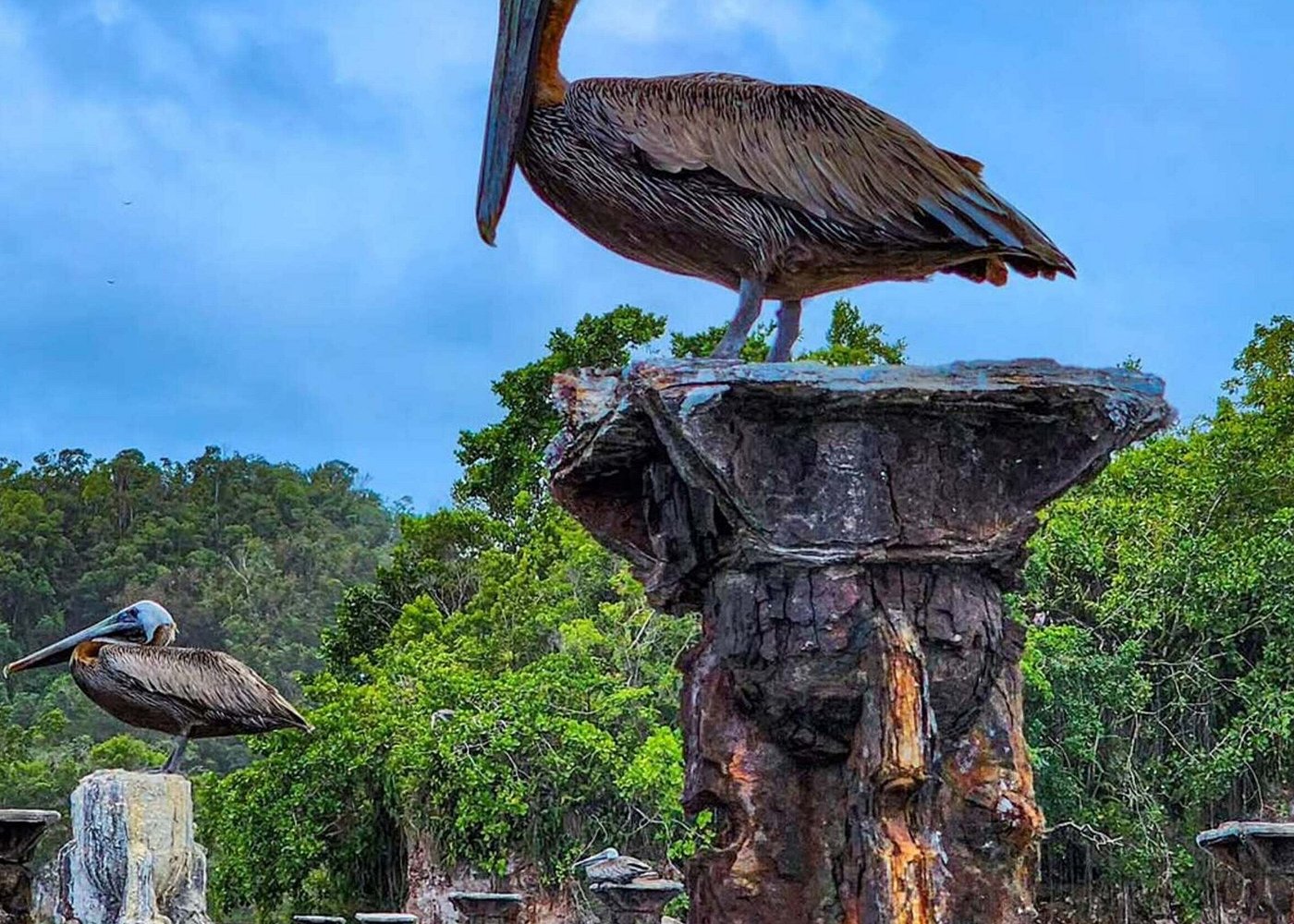
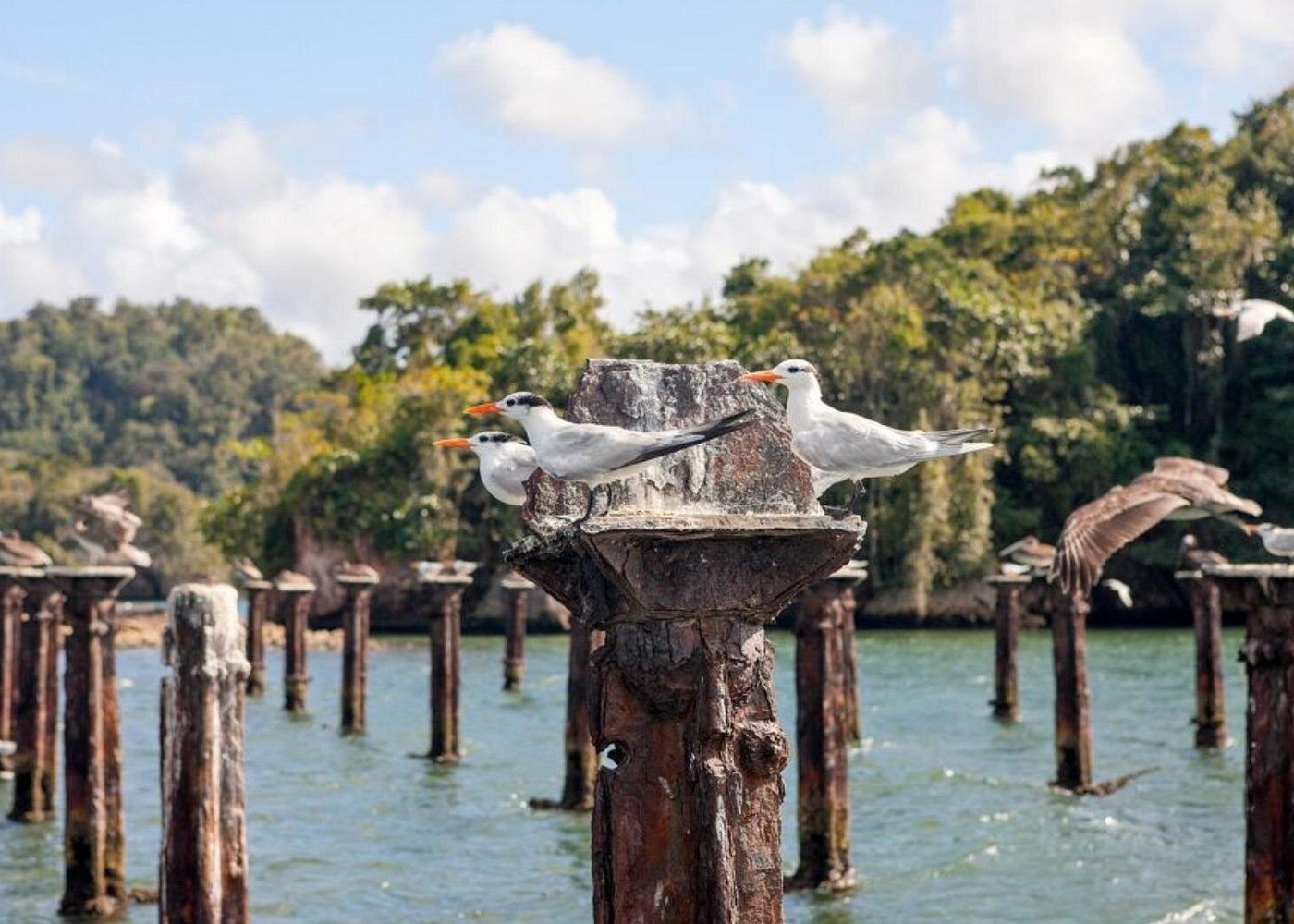
Wetland birds
Wading birds may use shallow water and exposed muddy areas to search for food.
When water levels change, the availability of feeding areas can also change.
Aquatic organisms
Fish and other aquatic organisms depend on suitable water conditions and connections with other habitats.
Seasonal water changes can influence the amount of available aquatic habitat.
Insects and invertebrates
Many wetland invertebrates depend on moisture and aquatic vegetation.
Changes in water coverage can affect their habitat and life cycles.
Amphibians
Some amphibians use temporary pools and seasonal water bodies for reproduction. However, species-specific breeding activity in particular Los Haitises wetlands would need to be verified through local research.
These relationships demonstrate why water-level changes are ecologically important.
They also explain why wildlife observations can differ between seasons.
10. Seasonal Wetlands and the Wider River System
Wetlands do not exist independently of the rivers and drainage systems around them.
In the wider Los Haitises region, rivers such as the Yuna and Barracote are associated with a larger network of coastal and low-lying habitats.
Water moving through drainage channels can influence nearby wetlands, especially during periods of higher flow.
However, not every seasonal wetland in the park is directly connected to these rivers.
Some may be influenced mainly by rainfall or groundwater, while others may receive water from local streams or drainage pathways.
Understanding these connections requires attention to the specific location and its hydrology.
The broader lesson is that wetland conservation should consider the entire water system rather than only the visible flooded area.
11. How Seasonal Changes Influence Wetland Food Webs
Seasonal water conditions can affect the availability of food and habitat.
When water levels rise, additional areas may become accessible to aquatic organisms.
Flooded vegetation can provide shelter and feeding opportunities for small animals.
When water levels fall, shallow-water margins may expose muddy surfaces and concentrate some aquatic organisms in smaller remaining pools.
These changes can influence feeding opportunities for birds and other wildlife.
Organic material from wetland vegetation also contributes to food webs.
Leaves, stems and roots break down, and microorganisms help process this material. Small invertebrates may feed on organic matter and microorganisms, becoming food for larger animals.
Seasonal flooding can influence the movement and distribution of these resources.
The exact response varies among wetlands and should not be assumed to follow the same pattern everywhere in Los Haitises.
12. Environmental Pressures on Seasonal Wetlands
Seasonal wetlands can be vulnerable to environmental changes because their ecological conditions depend on natural water movement.
Potential pressures include:
- Pollution entering surface water or groundwater.
- Changes to natural drainage.
- Removal of surrounding vegetation.
- Excessive sediment entering shallow habitats.
- Land disturbance near wetland margins.
- Uncontrolled fires in surrounding vegetation.
- Unmanaged human activity.
The Los Haitises management plan identifies wider conservation concerns involving habitat degradation, vegetation removal, fires and pollution.
Because this document covers the 2012–2017 management period, it should not be treated as a current assessment of every wetland.
Protecting seasonal wetlands requires monitoring both their surface conditions and the surrounding land and water systems.
13. How Researchers Study Seasonal Wetlands
Understanding seasonal wetlands requires more than observing whether an area is flooded on one particular day.
Researchers may use several methods.
Water-level measurements: Repeated measurements help reveal seasonal changes in water depth.
Rainfall records: Local precipitation information helps explain changes in surface water and groundwater recharge.
Vegetation surveys: Plant surveys show which species tolerate different flooding conditions.
Water-quality testing: Sampling can identify changes in water chemistry and possible pollution.
Satellite imagery: Images from different dates can help identify changes in wetland extent and vegetation coverage.
Groundwater monitoring: Measurements from wells and springs can help explain how underground water influences surface wetlands.
Combining these methods provides a more reliable picture than relying on a single observation.
14. Can Visitors Experience Seasonal Wetlands in Los Haitises?
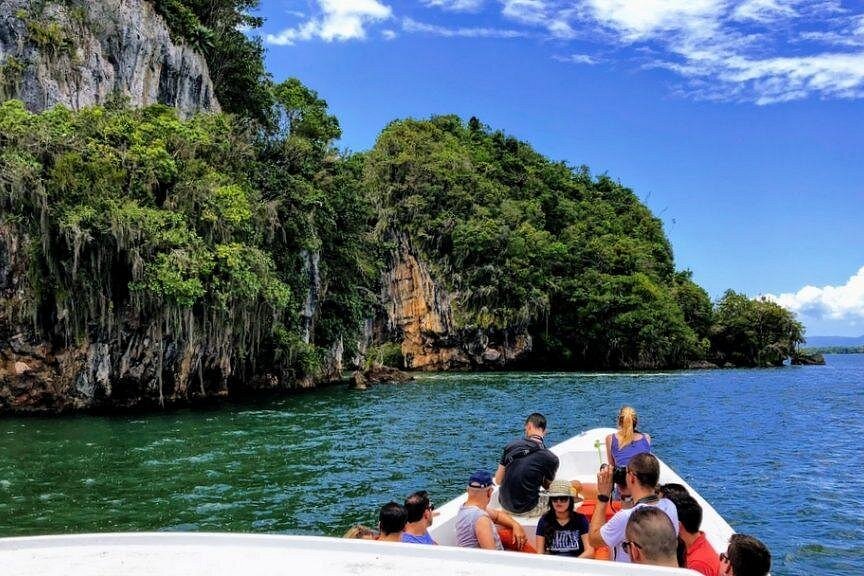
Visitors usually explore Los Haitises through guided boat excursions and selected nature activities.
These experiences may include coastal waterways, mangrove channels, limestone scenery and other authorized natural attractions.
However, not every seasonal wetland is accessible to visitors.
Some wetlands may be located in sensitive areas or outside designated public-use routes.
If you are interested in seasonal wetland environments, ask an authorized tour operator whether the excursion includes suitable wetland habitats and whether those locations are open to visitors.
Responsible visitors should:
- Remain on authorized routes.
- Avoid walking through fragile vegetation.
- Keep rubbish out of the water.
- Avoid disturbing wildlife.
- Never collect plants or animals.
- Follow the guide's instructions.
The condition of a wetland can change throughout the year, so visitors should not expect every location to look the same on every trip.
15. Why Seasonal Wetlands Deserve Conservation
Seasonal wetlands are important because their changing water conditions create habitats that may not exist in permanently dry or permanently flooded areas.
They contribute to biodiversity, nutrient cycling, water storage and ecological connections between different habitats.
In Los Haitises, their importance is linked to the park's karst geology, rainfall and groundwater system.
Protecting these wetlands requires maintaining natural drainage, preserving vegetation, preventing pollution and understanding how surface water interacts with groundwater.
The conservation of seasonal wetlands is therefore part of protecting the entire natural landscape of Los Haitises.
Frequently Asked Questions
1. What are seasonal wetlands?
Seasonal wetlands are areas that become flooded or waterlogged during particular periods of the year. Their water levels change according to rainfall, groundwater and drainage conditions.
2. Are seasonal wetlands part of Los Haitises National Park?
Wetlands are documented as part of the park's natural environment. However, a complete current inventory of individual seasonal wetlands is not established by the sources discussed in this article.
3. Does rainfall control wetland water levels?
Rainfall is an important influence, but groundwater, drainage, soil and local geology also affect water levels.
4. Do seasonal wetlands dry out completely?
Some seasonal wetlands may become much drier during periods with less rainfall. Others retain moisture or receive groundwater throughout the year.
5. How does limestone influence seasonal wetlands?
Limestone develops openings, depressions and underground passages that allow water to infiltrate and move through the karst system.
6. Are seasonal wetlands important for birds?
Yes. Shallow water, muddy margins and wetland vegetation can provide feeding and shelter habitats for birds.
7. What happens to wetland plants when water levels fall?
Some plants tolerate exposure and continue growing, while others may be affected by drying conditions. Responses depend on the species and habitat.
8. Can groundwater maintain wetlands during drier periods?
Groundwater can help maintain some wetlands, although the extent of its influence varies between locations.
9. How do researchers monitor seasonal wetlands?
Researchers may measure water levels, record rainfall, survey vegetation, test water quality and compare satellite images from different dates.
10. Can tourists visit seasonal wetlands in Los Haitises?
Access depends on authorized visitor routes and current park rules. Visitors should confirm access with an authorized operator or park authority.
Conclusion
The seasonal wetlands of Los Haitises demonstrate how strongly water influences the park's natural environment.
Rainfall can increase flooding, while drier periods may reduce shallow-water coverage. Groundwater and karst geology add another layer of complexity because some wetlands are connected to underground water systems.
These changing conditions influence aquatic plants, wetland vegetation and wildlife habitats.
Protecting seasonal wetlands means conserving not only the flooded areas themselves but also the surrounding vegetation, groundwater and natural drainage processes that sustain them.
Understanding these seasonal changes helps visitors appreciate the ecological complexity of Los Haitises National Park.
Local explorer & expert guide in Samana Whale Watching Tour.